
Celebrating Women in Coffee: How Itso Represents the Future of Ethical Coffee Brands
When you pour your morning coffee, then you probably smell it as you taste it. Through the 2000s, the term palm oil became synonymous with forest loss. Studies show that consumers want similar suppliers for their food purchases they buy from. They want to ensure that the beans came from plants. People who were paid fairly grown these plants. Therefore, they want the process to respect the planet. One Coffee as ITSO Coffee proves the most delicious cup is one created with good intentions and sourcing. Ethical sourcing will no doubt be women-owned.

The Foundation of Coffee is Female.
Women do most work on coffee farms - planting, picking, sorting, and processing the coffee cherries. Although the woman provides so much, she has nothing, neither land nor access to income. Farmers in the world have been receiving inadequate resources, training, finances, etc.
Through acknowledgment of their importance, the coffee sector will become a more equitable and sustainable one through women-owned coffee brand. Women benefit not just at home but also in business. It also invests their money back into the community.
This money can be utilized to cover medical education, expenses and payment of other services. This creates a powerful ripple effect that lifts everyone.
ITSO’s Commitment to Direct Empowerment.
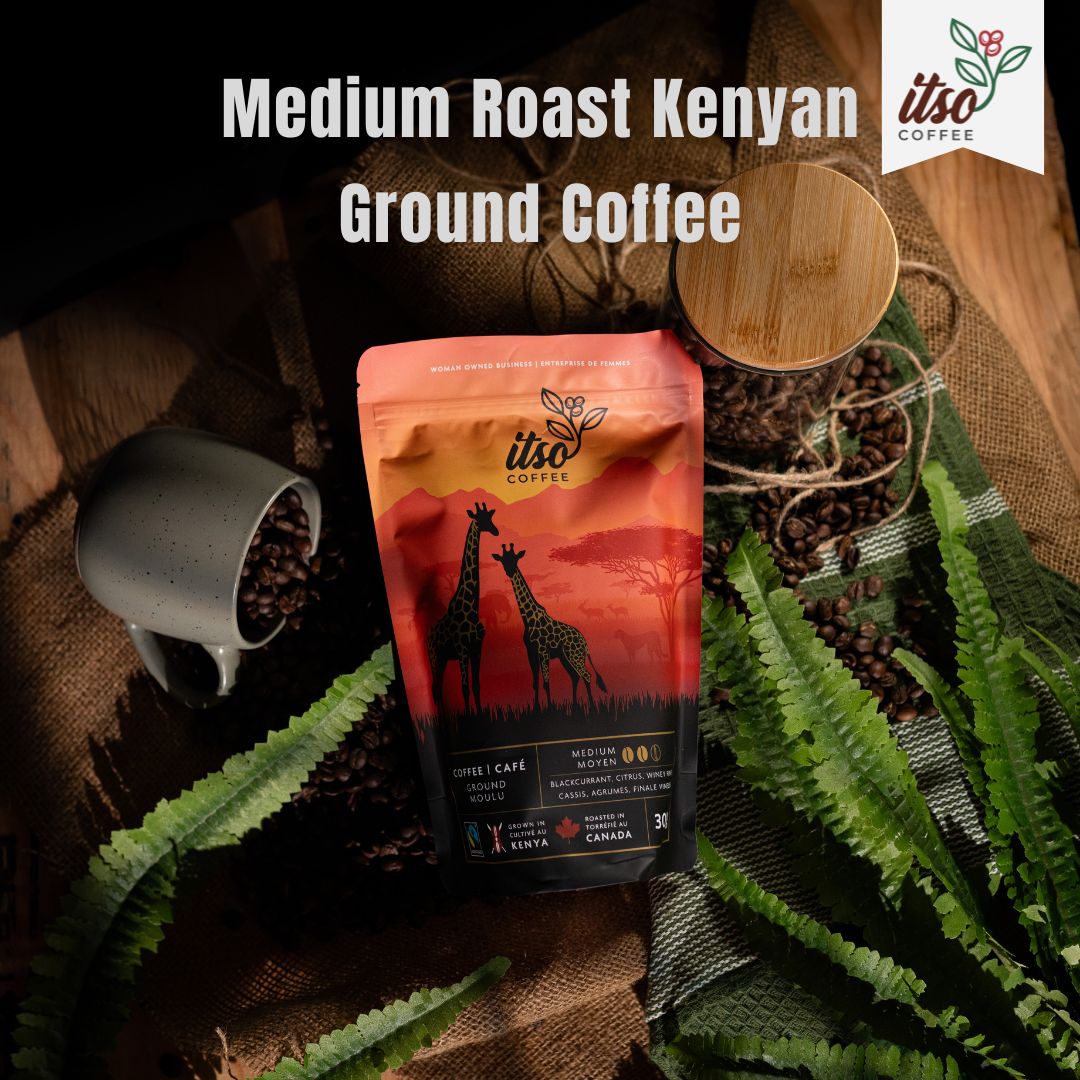
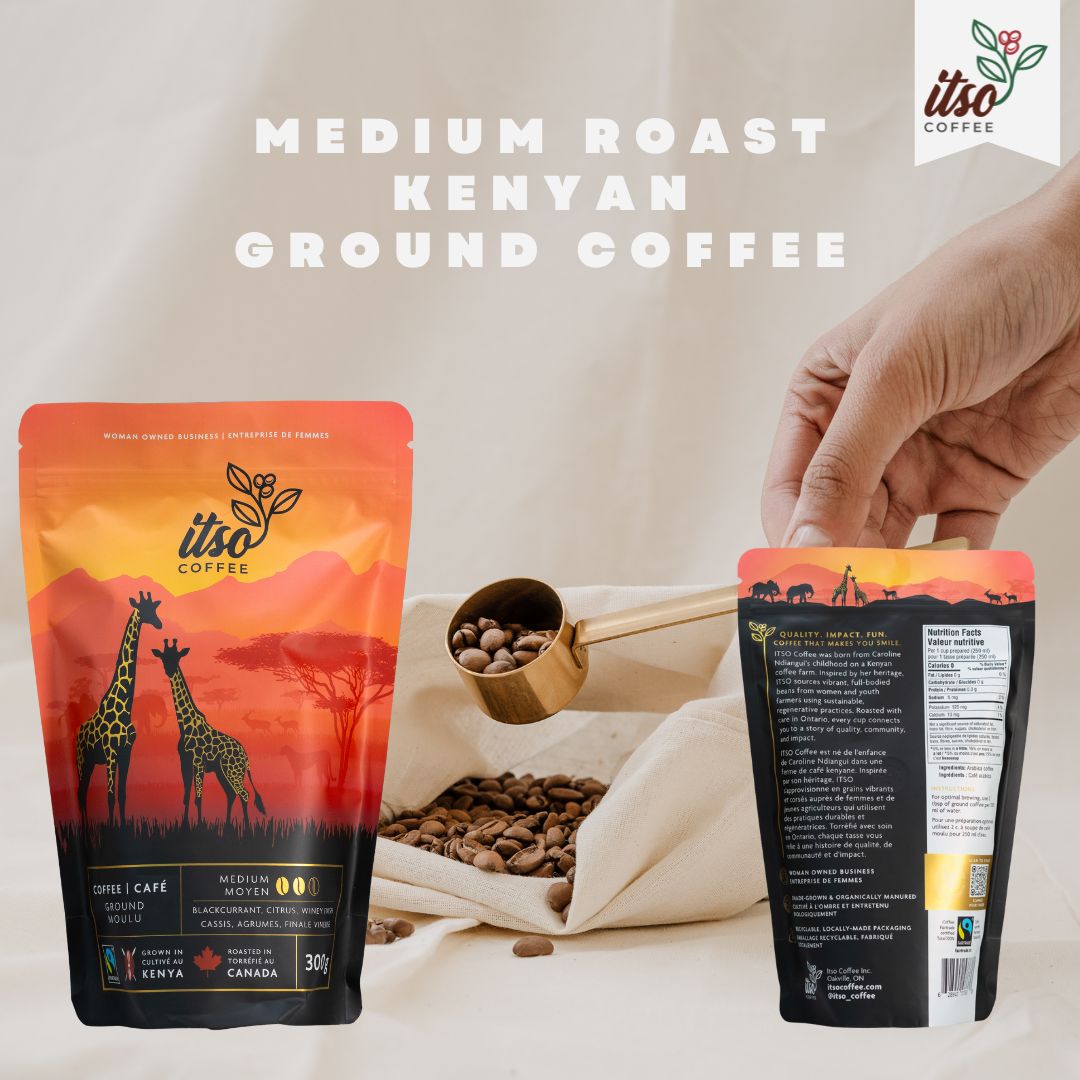
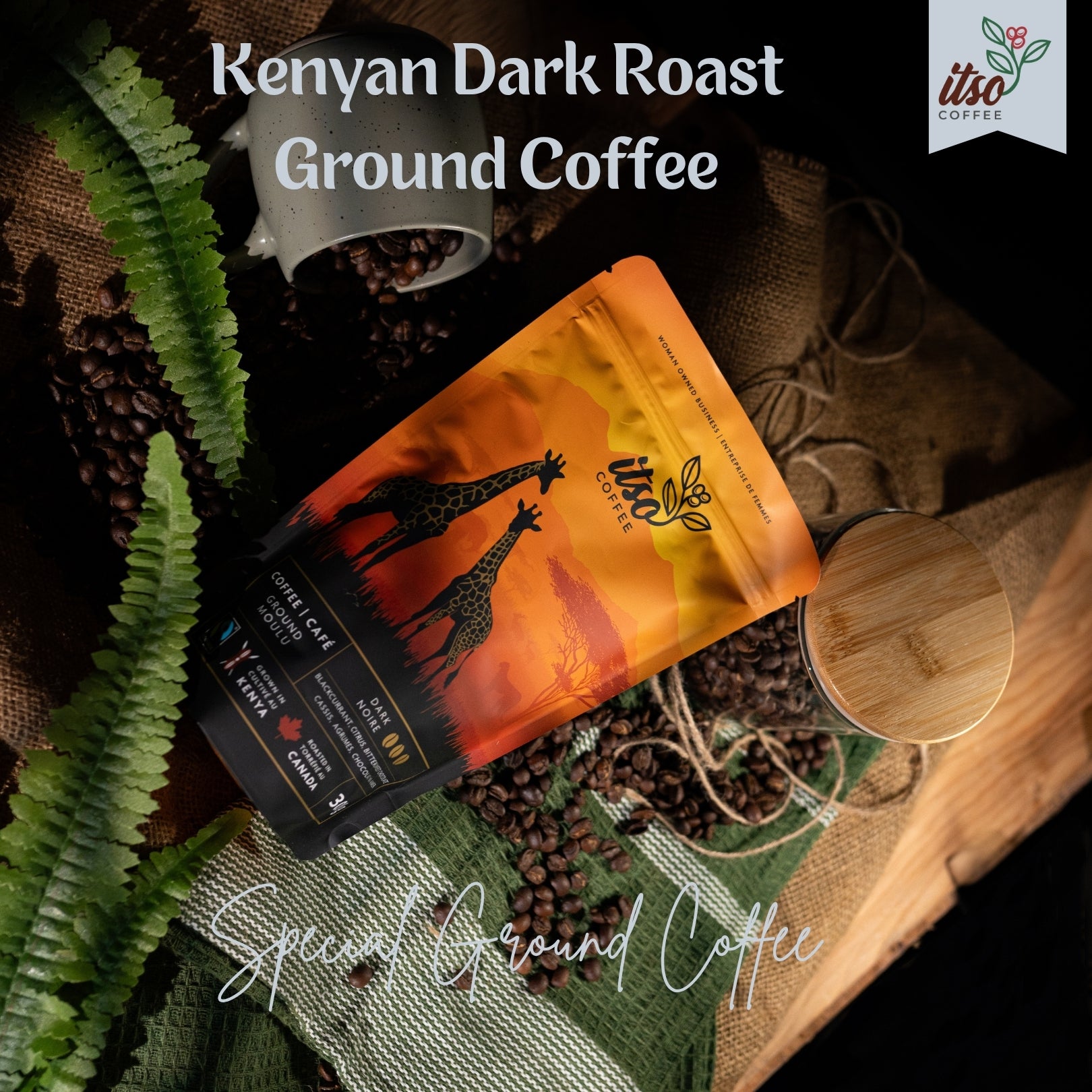
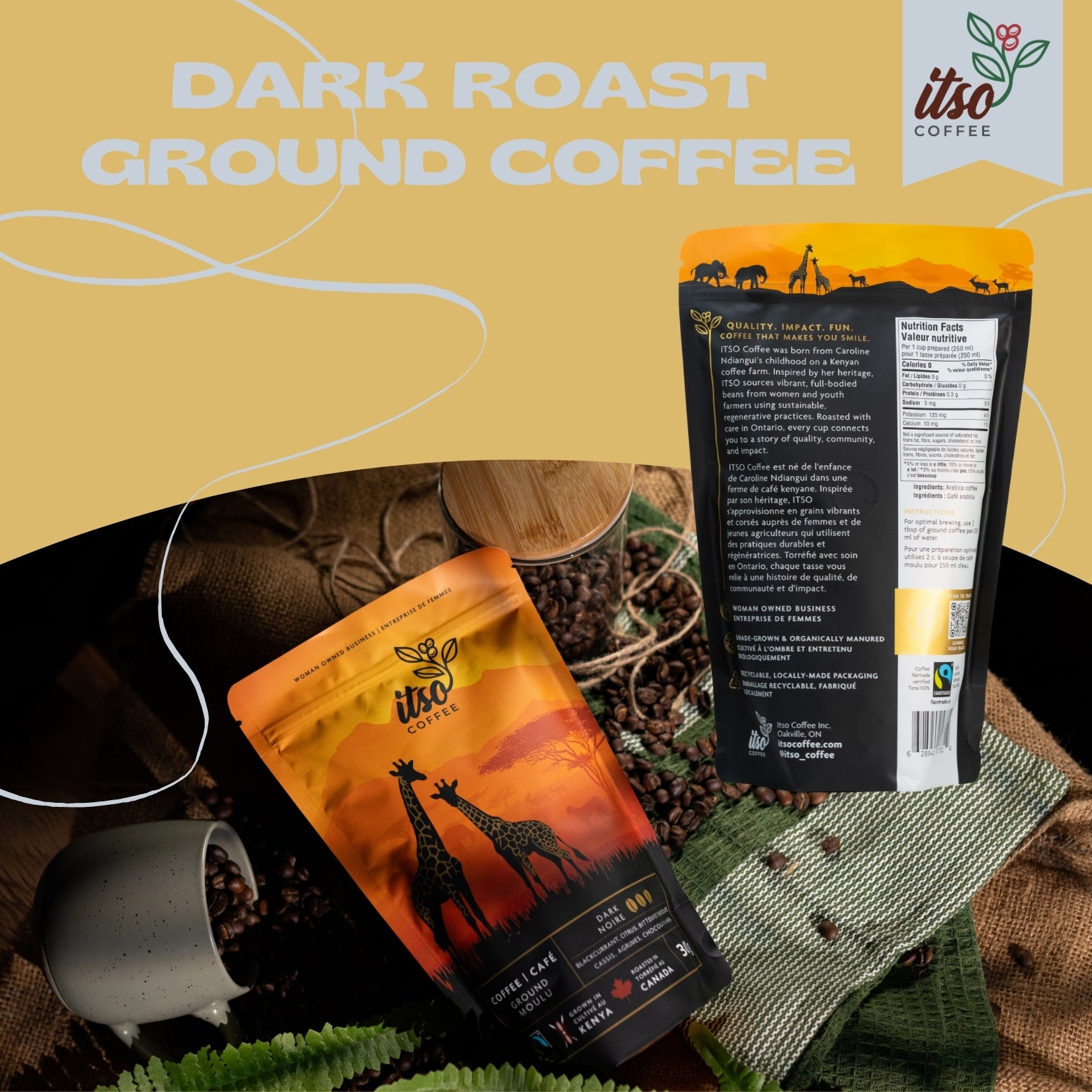
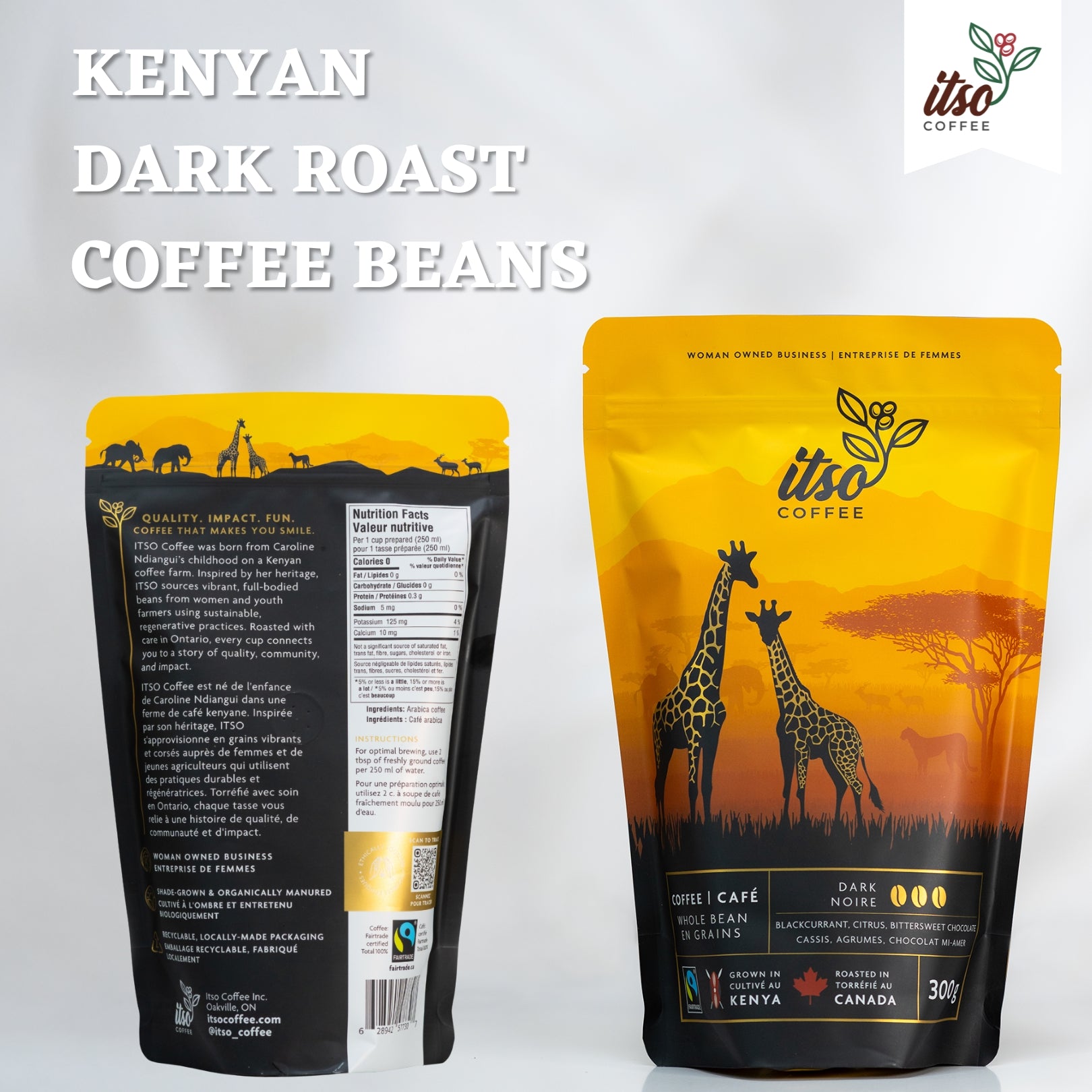
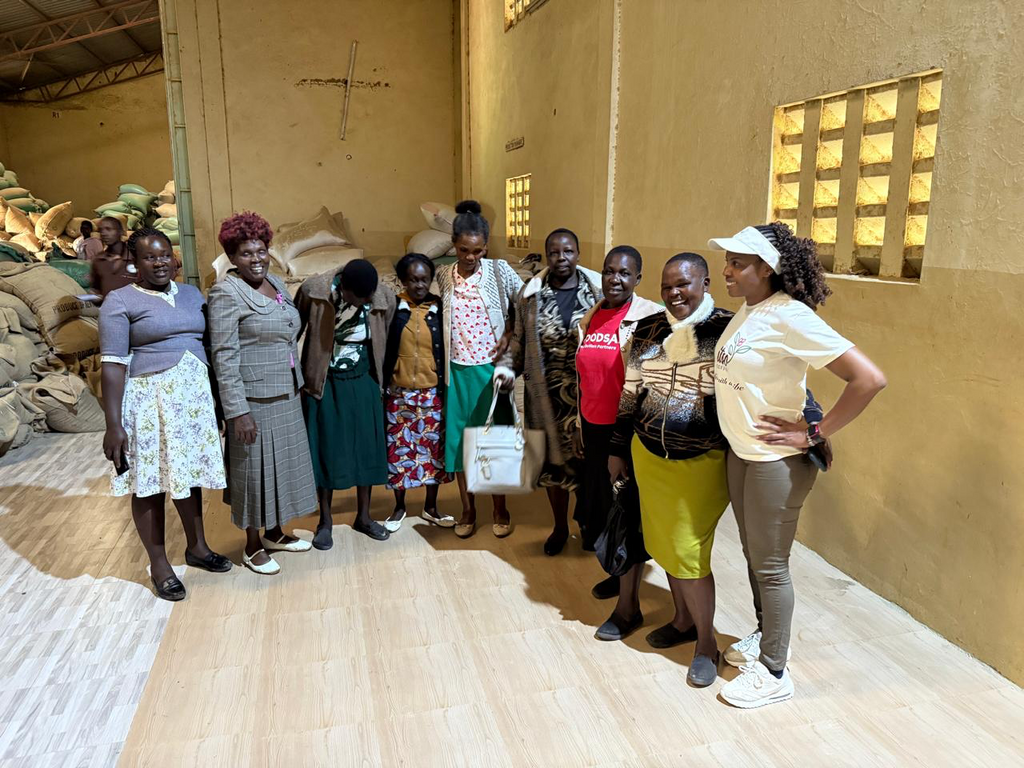
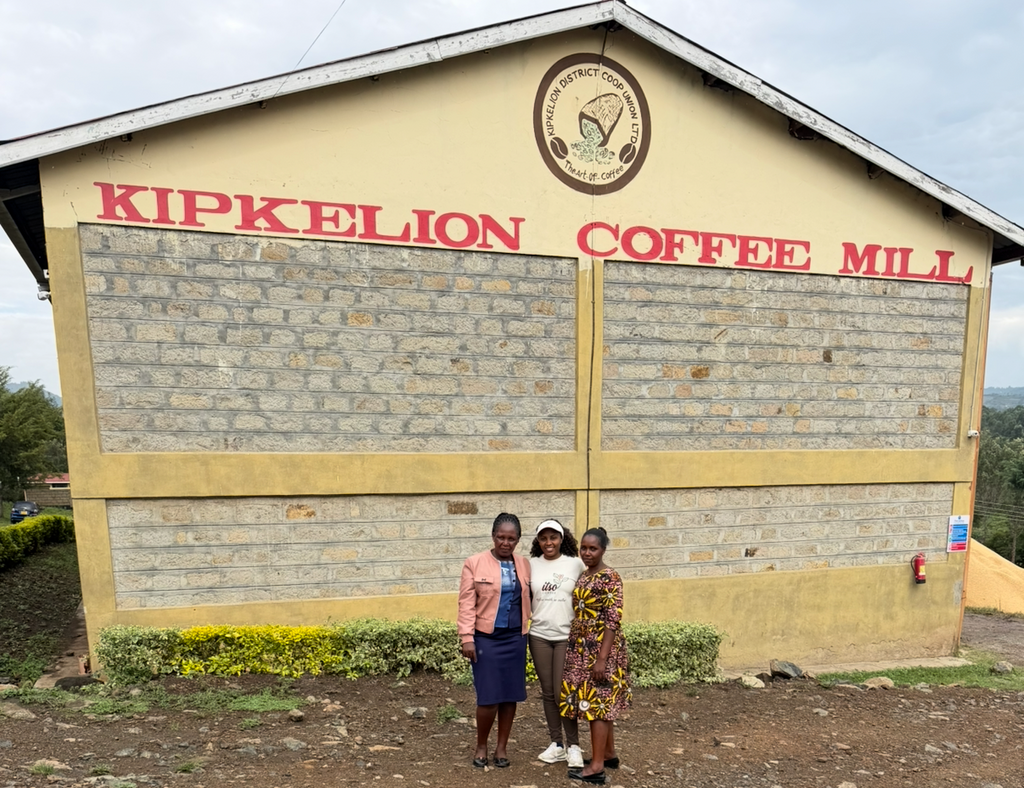
The woman owned coffee comps embodies transformational approach in everything it does. ITSO gets its Fairtrade Kenyan coffee from the Kipkelion Women in Coffee Cooperative Kenyan highlands. This collaboration enables women producers to receive a fair price for their goods, one which guarantees a living wage by skipping unnecessary intermediaries.
-
It doesn’t just give them money.
-
It gives them tools, so that they can help themselves. It’s ethically-sourced.
-
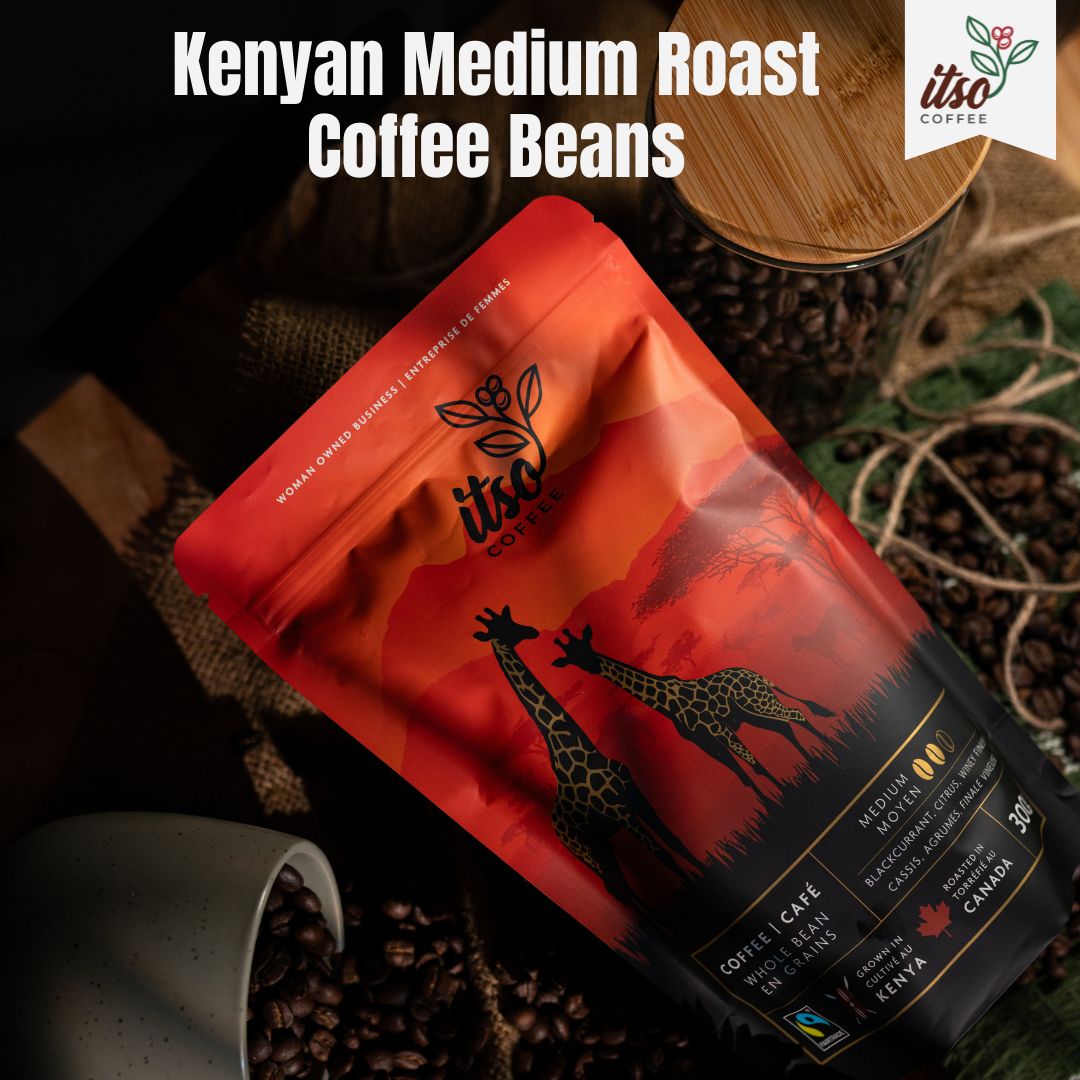
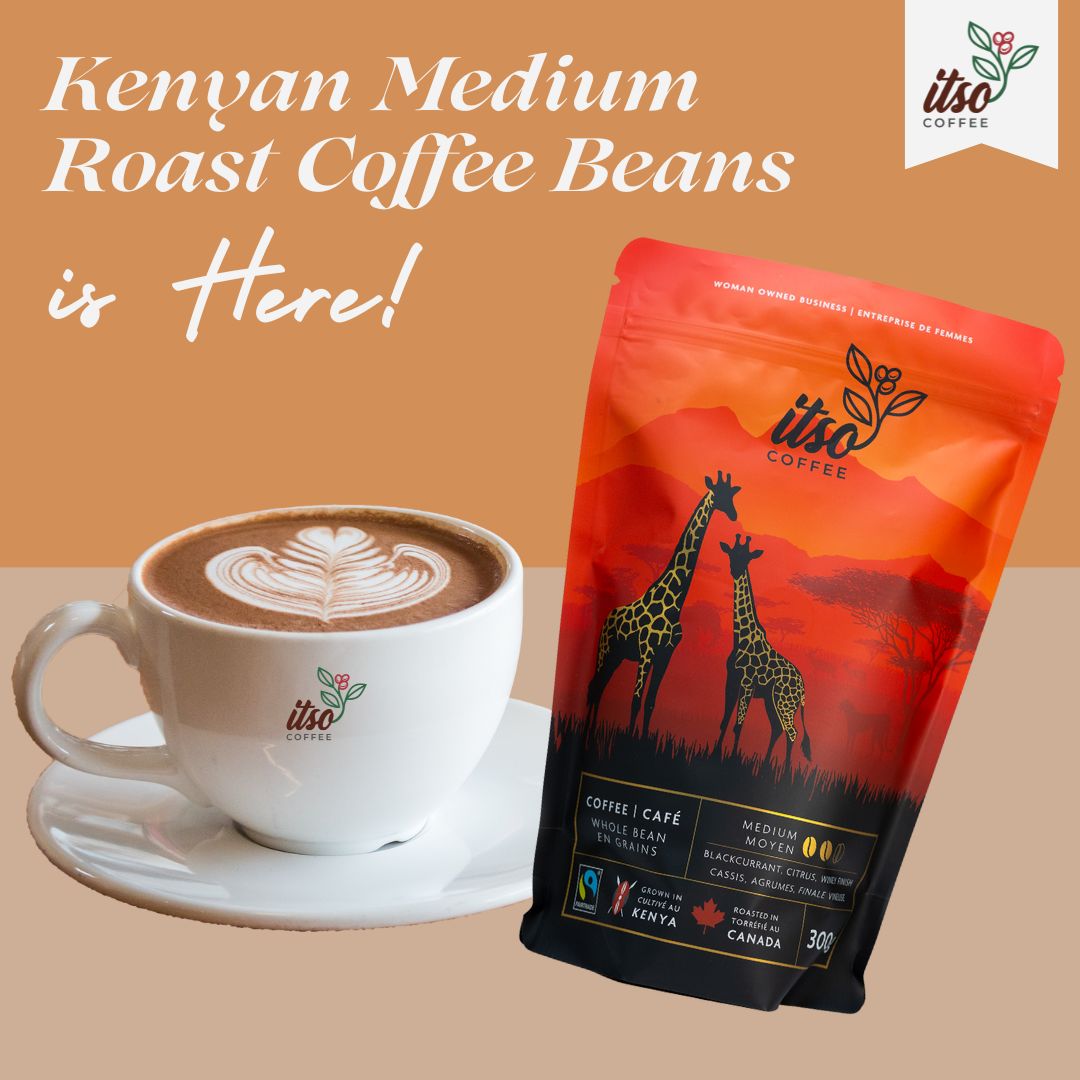
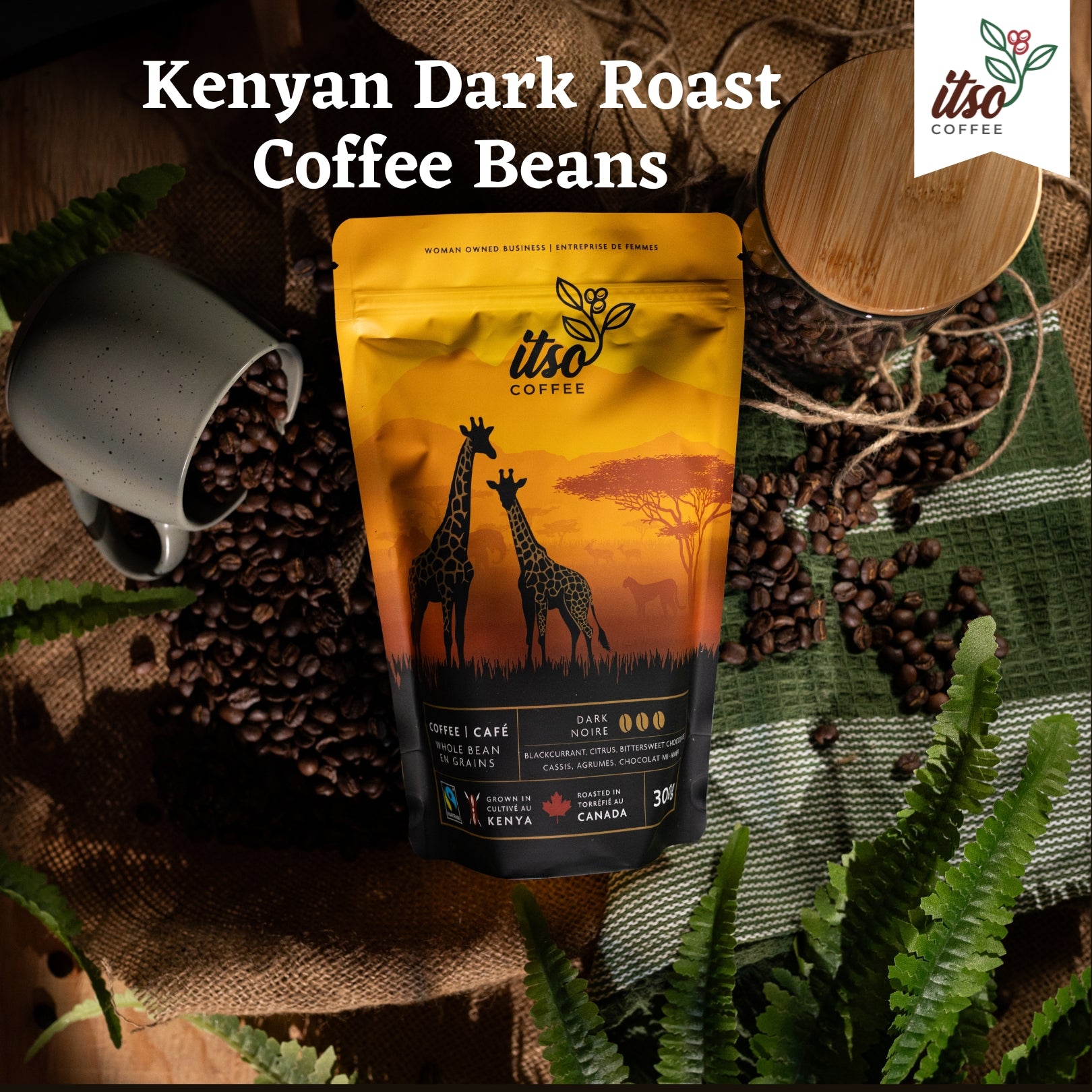
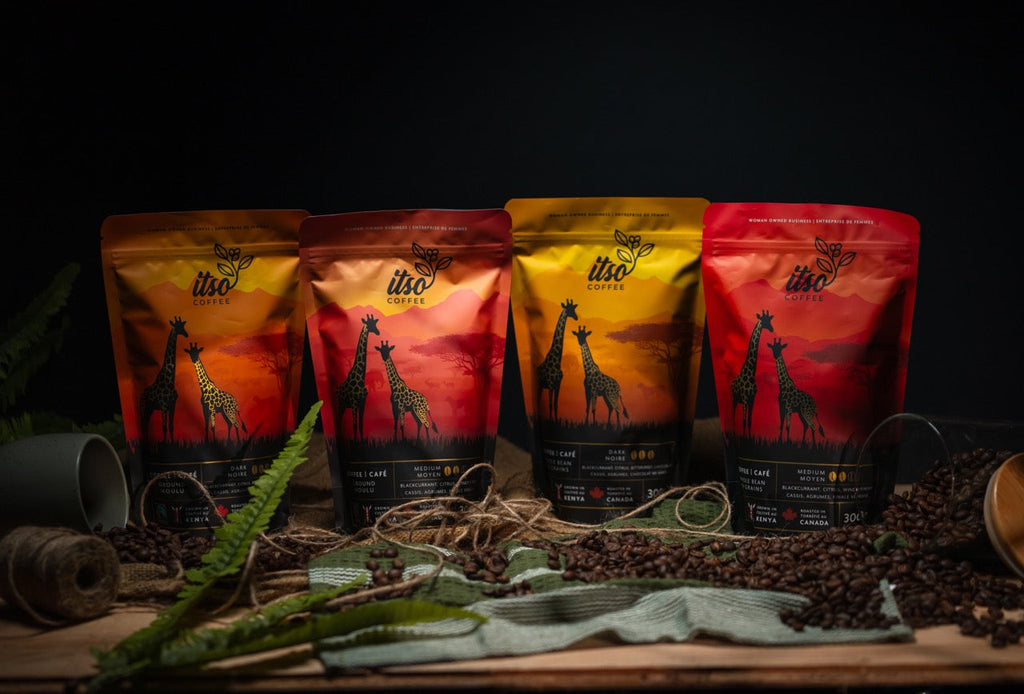
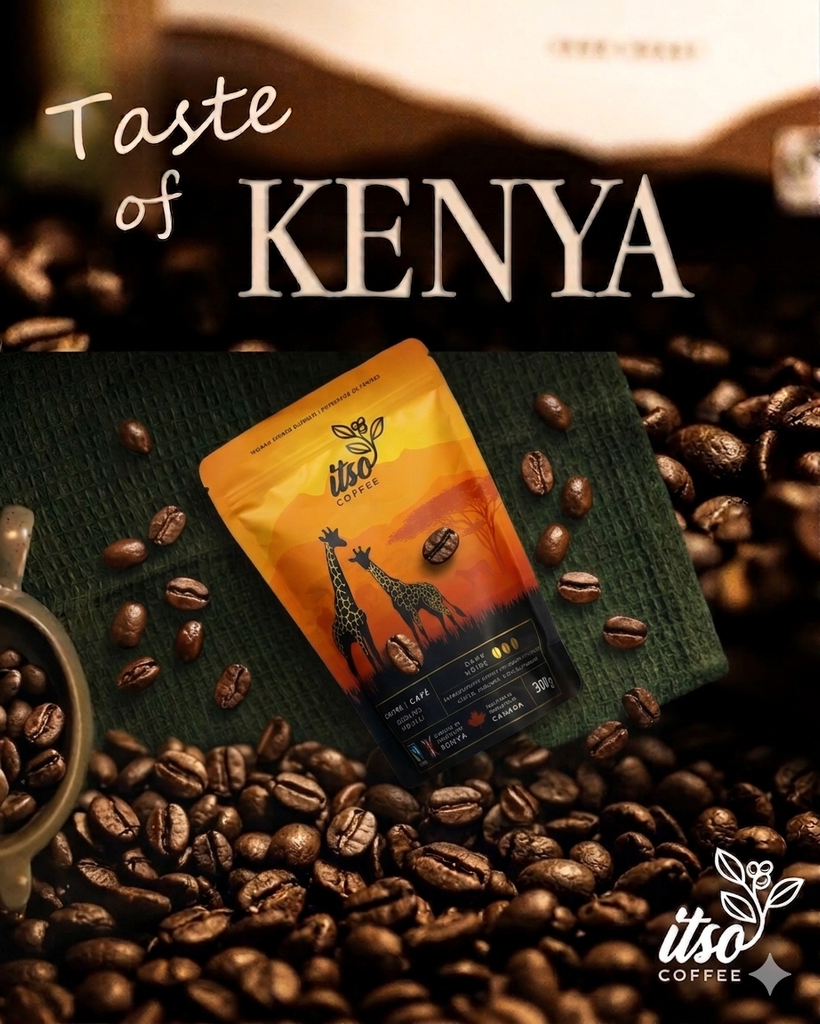
Kenyan Arabica beans are of good quality with bright and distinct notes of citrus and blackcurrant, as per ITSO. To repeat, ITSO emphasizes the women who produce them.
-
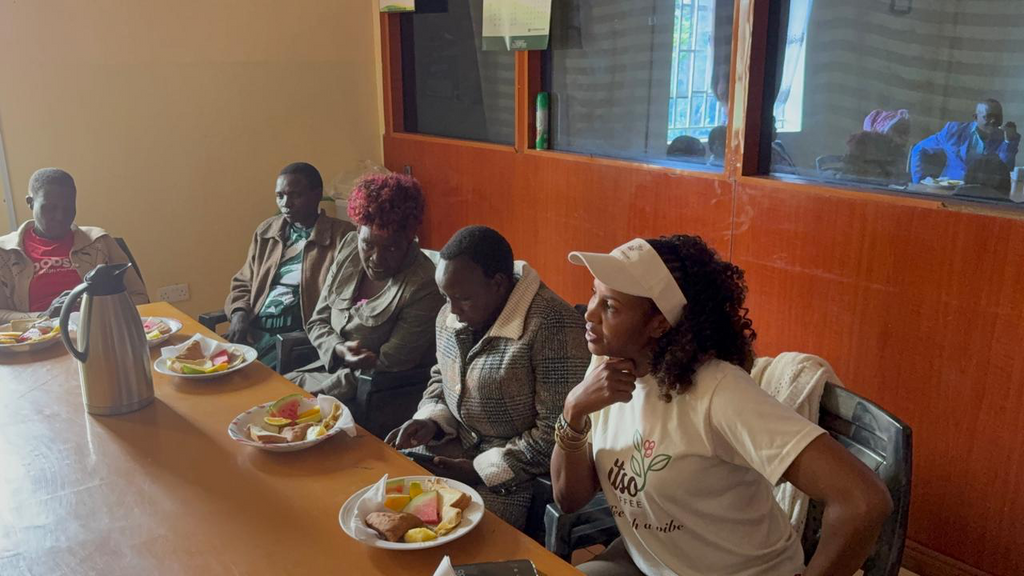
With your purchase, your direct investment empowers them, offering leadership training and aiding community development.
The Future is Transparent and Traceable.
Traceable coffee, guaranteed with ITSO. Coffee’s New Ethical Benchmark Requires Full Transparency. They are 100% traceable. When you buy coffee, you don’t just buy a product. You engage directly with the women who grew your beans. Trust builds between the farmer and consumer when the consumer sees this product. Moreover, it will not only be a transaction but also a significant deal.
The health of the planet and of the people of Colombia is key says ITSO and similar brands. They partner with agricultural cooperatives that implement sustainable practices to ensure the coffee is produced from soil to sip.
-
All coffee brands strive to be common brands and deliver products at the right price. By choosing ITSO, you choose a system with quality, fairness and sustainability at its heart.

FAQs
1. What does 'Women-Owned Coffee Brand' actually mean for farmers?
The company purchasing the beans directly collaborates with women as well as female-run co-ops, according to the company’s guarantees. This will ensure fair wages, and provide resources for leadership training for women and access to credit, empowering women at source.
2. Why do women farmers often receive less compensation than men?
Cultural, legal, and historical restricts barred women from owning property, borrowing money, or being cooperative heads. Though, they do most of the work on the land. It stops them from haggling and managing the money gotten from the harvest.
3. What is the biggest challenge facing women in coffee today?
Many people struggle to access services, resources, or leadership positions. Climatic change is making the yield and price instability riskier. Brands that help farmers become climate-smart also help women farmers become climate-smart.
4. How does buying traceable coffee help the environment?
When the driver was able to identify where the coffee was from, there was a greater connection to the farm. This means that the brand can back up and confirm practices such as growing coffee under shade and watering, using organic fertilizer, and protecting biodiversity.
5. How can I ensure the coffee I buy truly supports ethical sourcing?
Opt for brands that disclose their sourcing partners, the money paid to them, their activities on the field and more. For example, ITSO Coffee. Look for Fairtrade certification, but don’t overthink it.
For more information visit our Facebook Page.
Related post
RECENT POSTS
02.June.2026
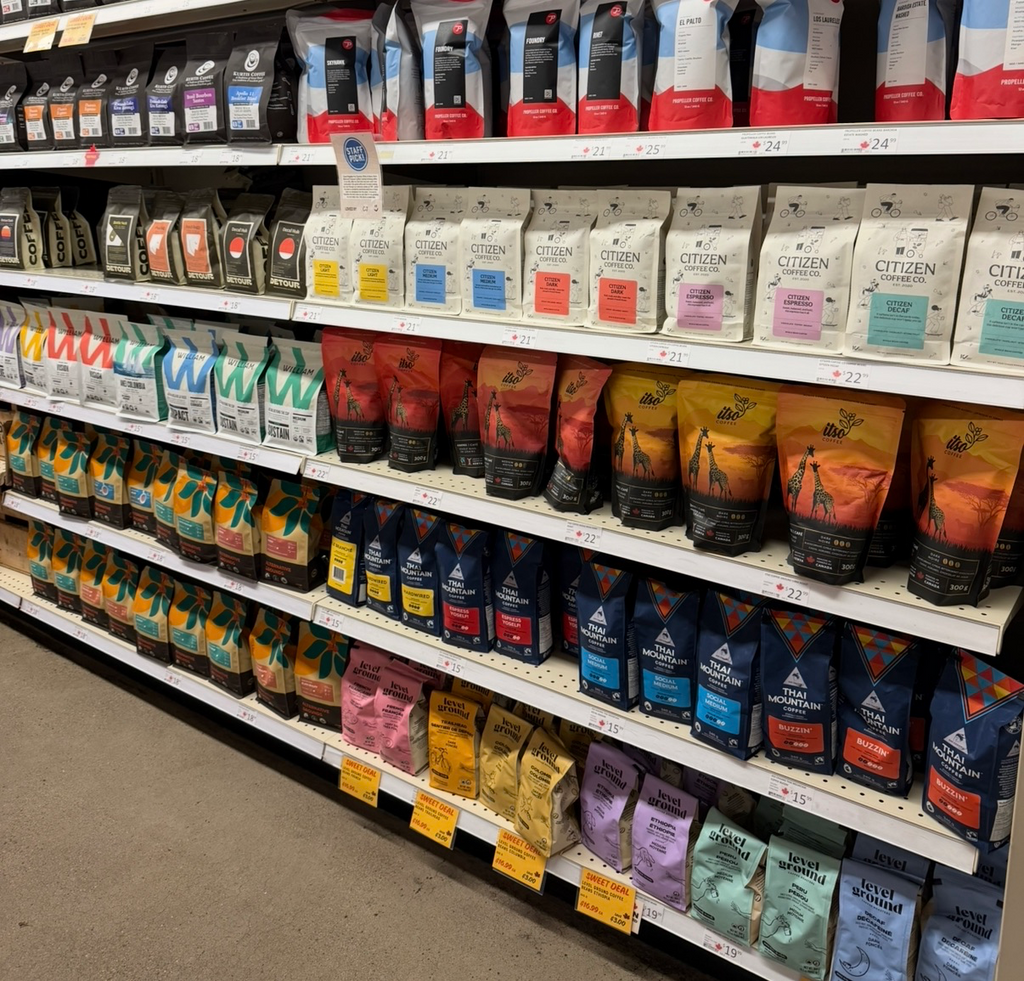
Where to Buy ITSO Coffee in Toronto: Now at Karma Co-op and The Sweet Potato
0 Comments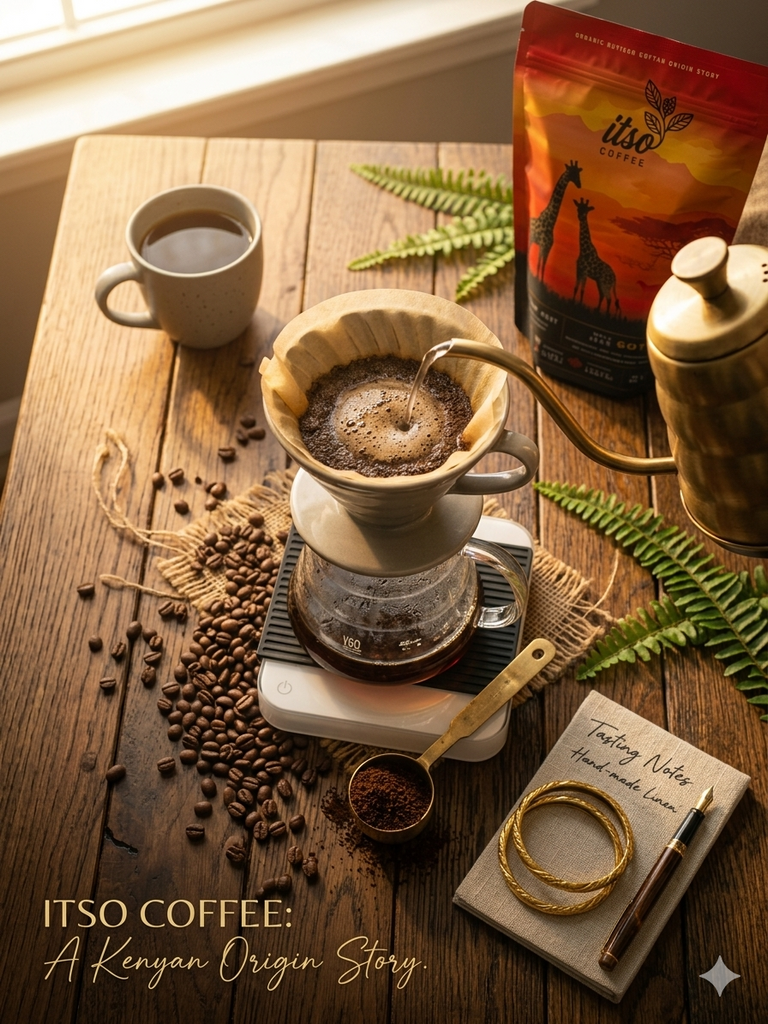

12.February.2026
How to Spot Authentic Kenyan Coffee When Shopping Online in North America
0 Comments
29.January.2026
Top Reasons to Choose a Women-Owned Coffee Brand Over Big Coffee Corporations
0 Comments