
Why Buying Kenyan Coffee in North America Supports Sustainability and Quality?
Introduction
Coffee is more than a beloved morning ritual — it’s a global agricultural system that shapes economies, cultures, and livelihoods. For many people in North America, choosing coffee is no longer just about taste, but about impact. Conscious consumers want to know: Where does my coffee come from? Who grew it? Is it sustainable?
This is where Kenyan coffee stands out. Known for its vibrant flavour profile, high quality, and strong agricultural heritage, Kenya produces some of the world’s most celebrated coffees. But beyond taste, choosing Kenyan coffee in North America directly supports sustainability, smallholder farmers, Fairtrade standards, and women-led communities.

Here’s why your choice matters — and how it creates real change.
1. Kenyan Coffee Is Grown with Care, Precision, and Tradition
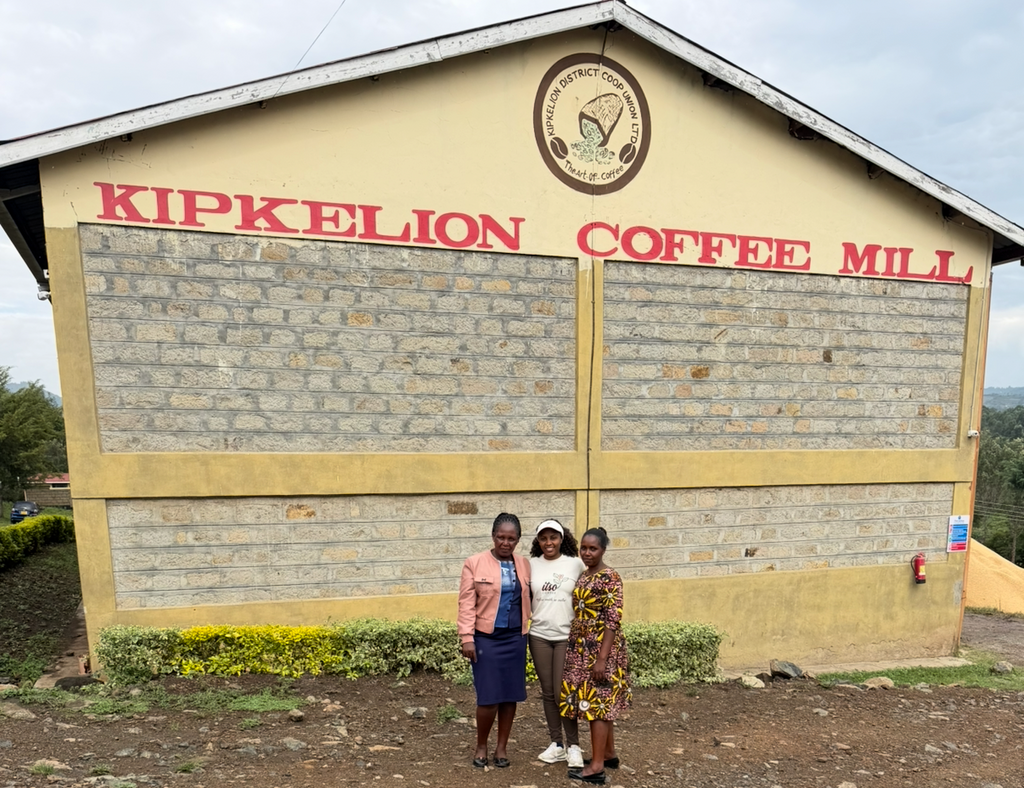
Kenya’s coffee-growing regions — including Nyeri, Kipkelion, Kericho, and Nandi — offer some of the best terroir in the world. High altitude (1,400–2,000m), deep volcanic soil, and cool temperatures allow coffee cherries to ripen slowly and develop complex flavours.
What this means for quality:
- Bright acidity
- Distinct fruit notes (berry, citrus, wine-like)
- Rich aroma
- Full-bodied mouthfeel
- High consistency
Unlike mass-produced blends, Kenyan coffee is almost entirely hand-picked. Farmers select only ripe cherries, ensuring a clean and premium cup.
In a North American market filled with industrial, low-cost options, Kenyan coffee represents craftsmanship — a cup where every detail is intentional.
2. Supporting Kenyan Coffee Helps Sustain Smallholder Farmers
More than 70% of Kenya’s coffee is grown by smallholder farmers, often organized through cooperatives. These are families, not large corporations. Their livelihoods depend on the price of coffee and the transparency of global trade.
When Canadians and Americans intentionally choose Kenyan coffee, they support:
- Fair wages
- Consistent income
- Access to education and healthcare
- Community development and agricultural training
Buying Kenyan coffee means choosing a system where farmers benefit from their hard work — not just intermediaries or exporters.
3. Kenyan Coffee Aligns with Fairtrade and Ethical Sourcing
Today’s consumers want to know their purchases are doing good. The Kenyan coffee industry has increasingly embraced:
- Fairtrade certification
- Ethical sourcing
- Direct trade partnerships
- Women-led cooperatives
- Sustainable farming practices
Why this matters:
Fairtrade ensures farmers receive a minimum price, even when global coffee prices fall. It also provides the Fairtrade Premium — an additional amount cooperatives use for community projects like:
- local schools
- water access
- medical facilities
- farming equipment
When North American shoppers choose Fairtrade Kenyan coffee, they actively support a system that prioritizes dignity and economic stability.
4. Kenyan Coffee Is Naturally Sustainable
Much of Kenya’s coffee is grown under traditional and eco-friendly methods, including:
Shade-Grown Farming
Trees provide:
- better soil health
- biodiversity
- natural pest control
- improved coffee flavour
Minimal Chemical Use
Many smallholder farmers rely on organic or low-intervention farming.
Water Conservation
Kenyan washing stations are increasingly adopting:
- water recycling
- eco-pulpers
- climate-smart processing
This combination results in coffee that is better for the environment and better in your cup.
5. North America Plays a Vital Role in Supporting Women Farmers
In Kenya, women often do the hardest agricultural labour — planting, tending coffee trees, harvesting, sorting — yet historically had limited access to:
- land
- credit
- training
- market opportunities
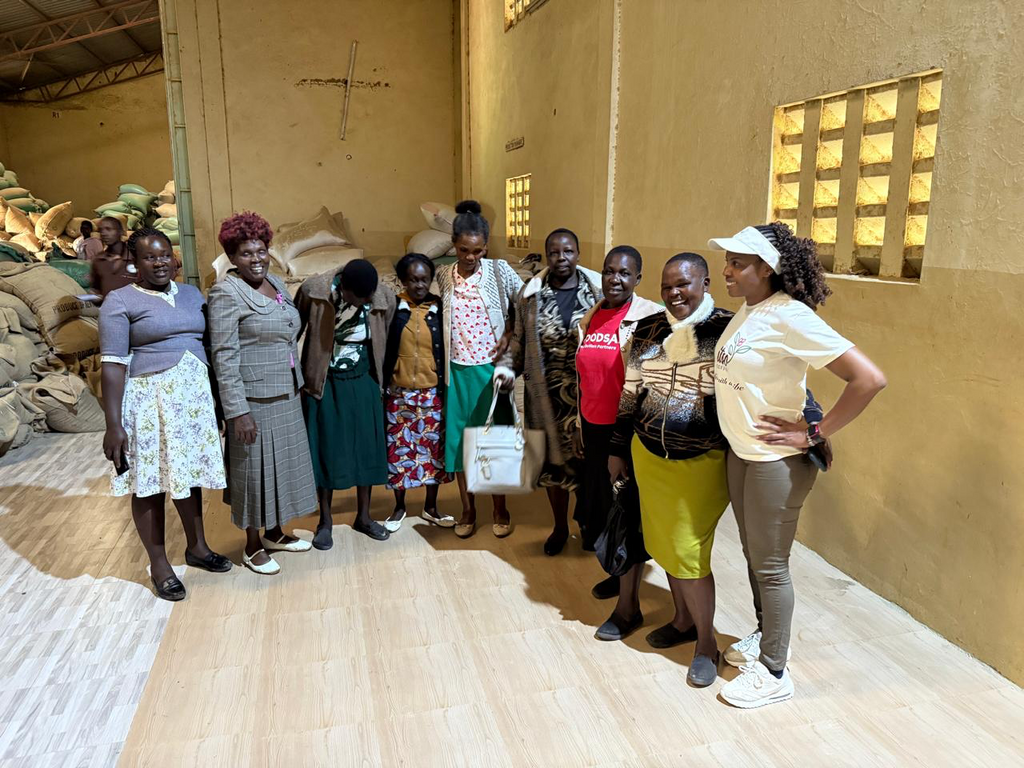
The rise of women-owned coffee brands and women-led cooperatives is changing that. By buying Kenyan coffee in North America, consumers support:
- greater gender equity
- financial independence
- leadership roles for women
- generational impact for families
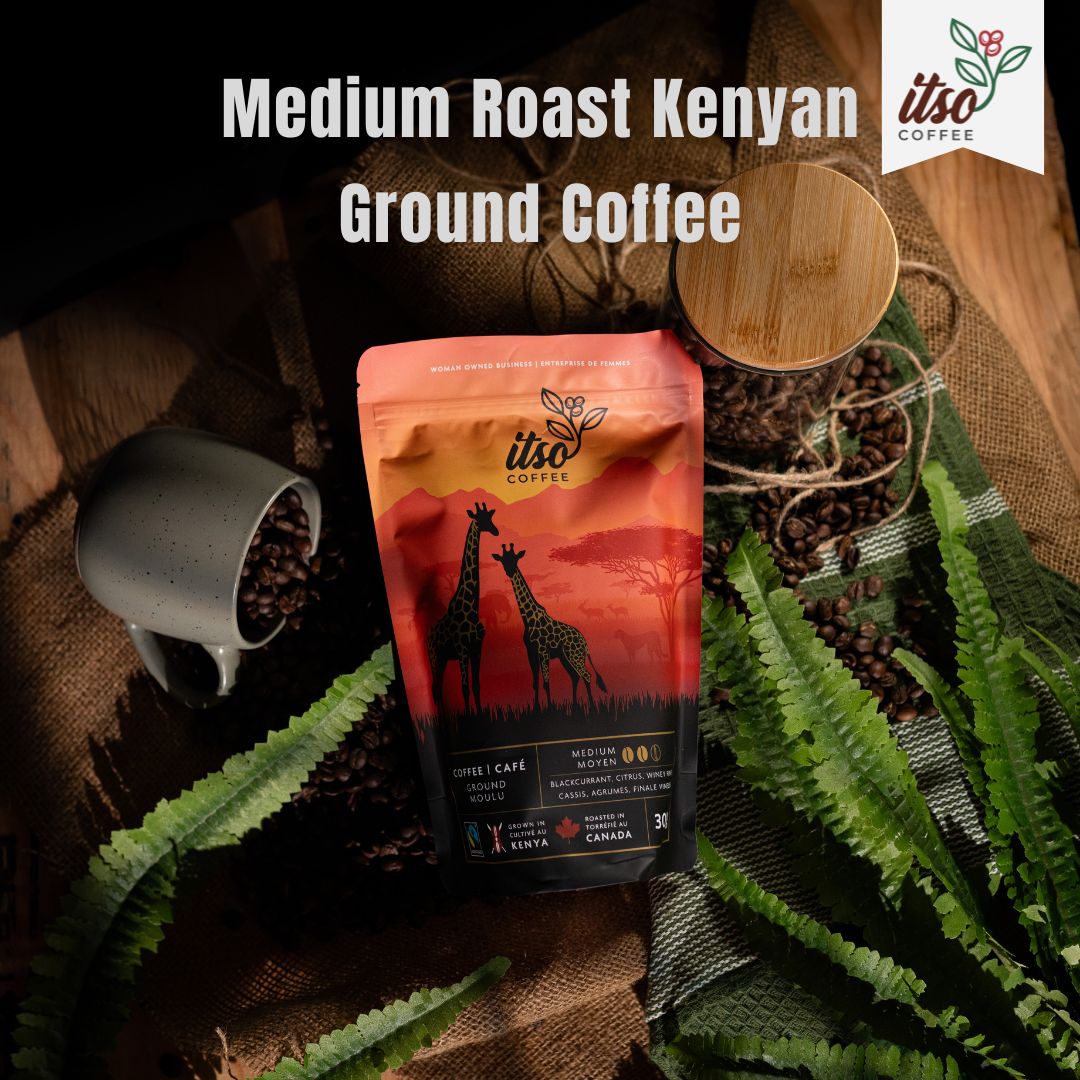
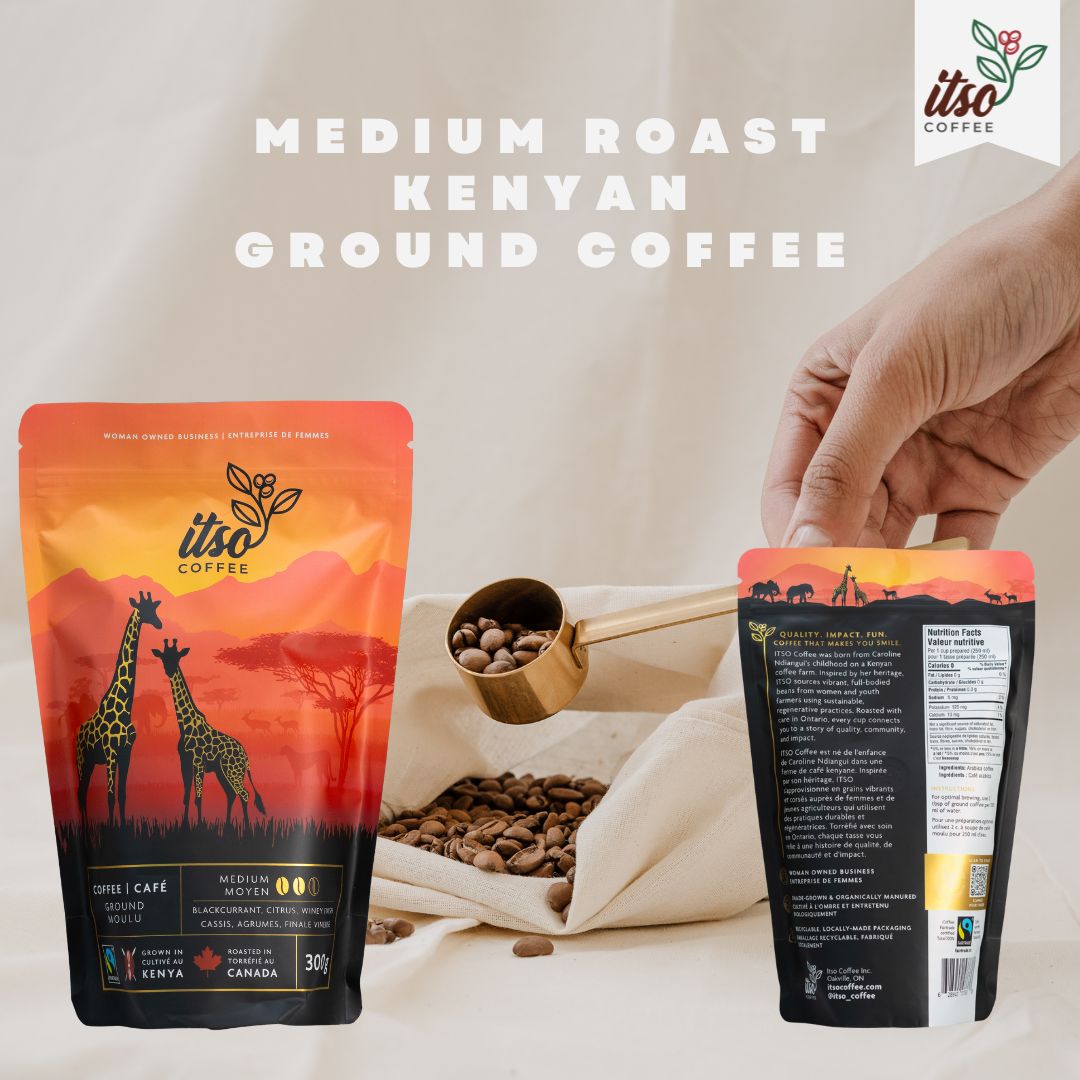
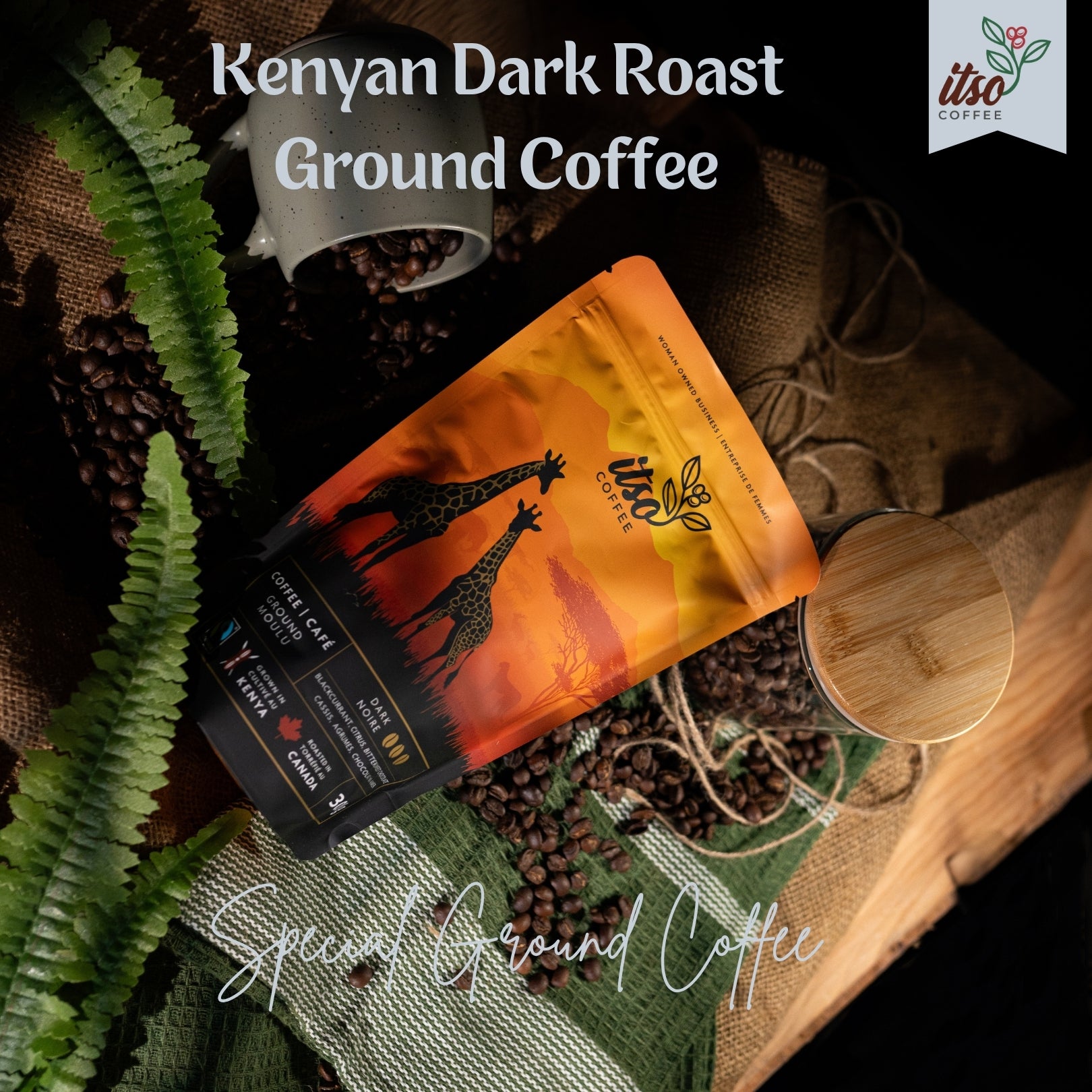
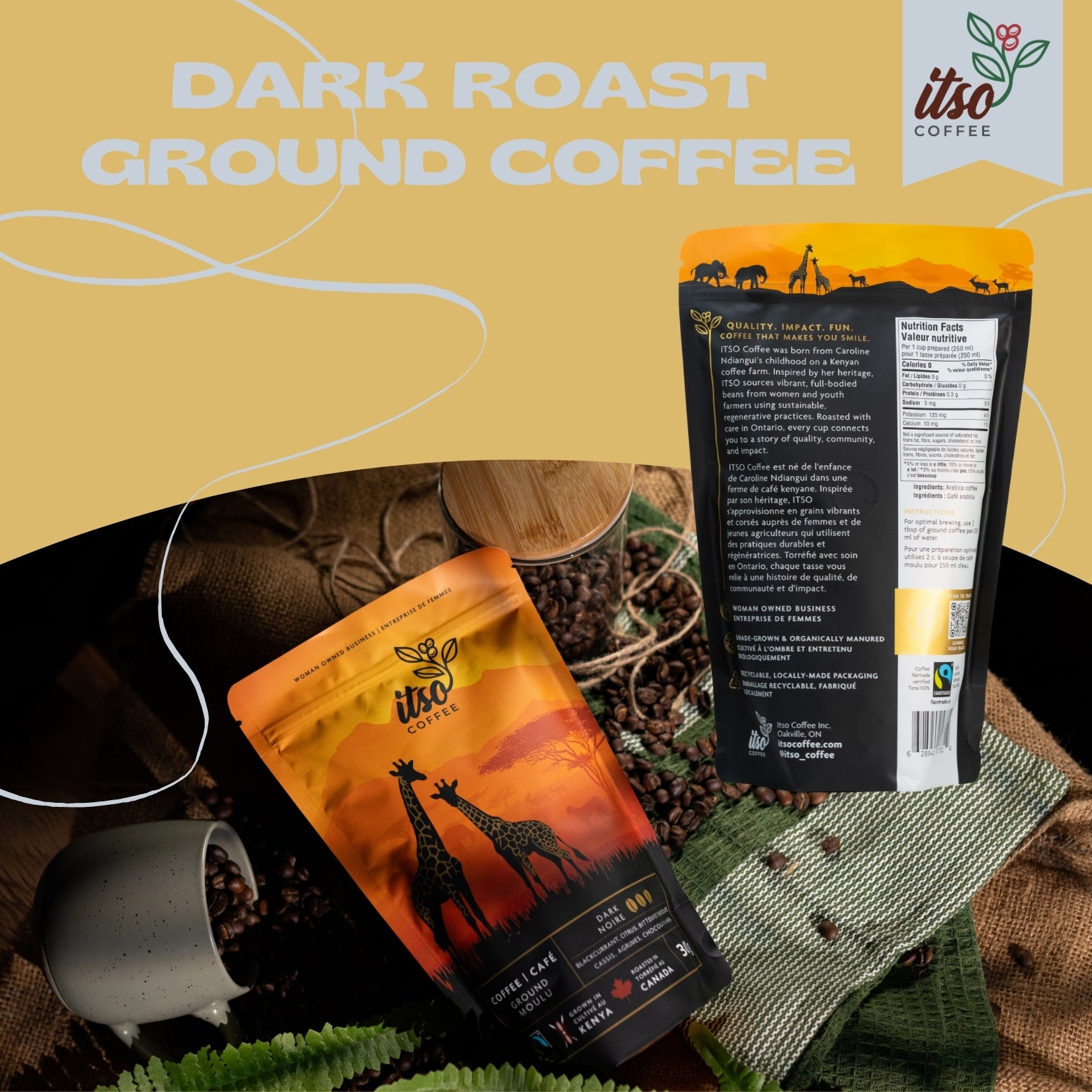
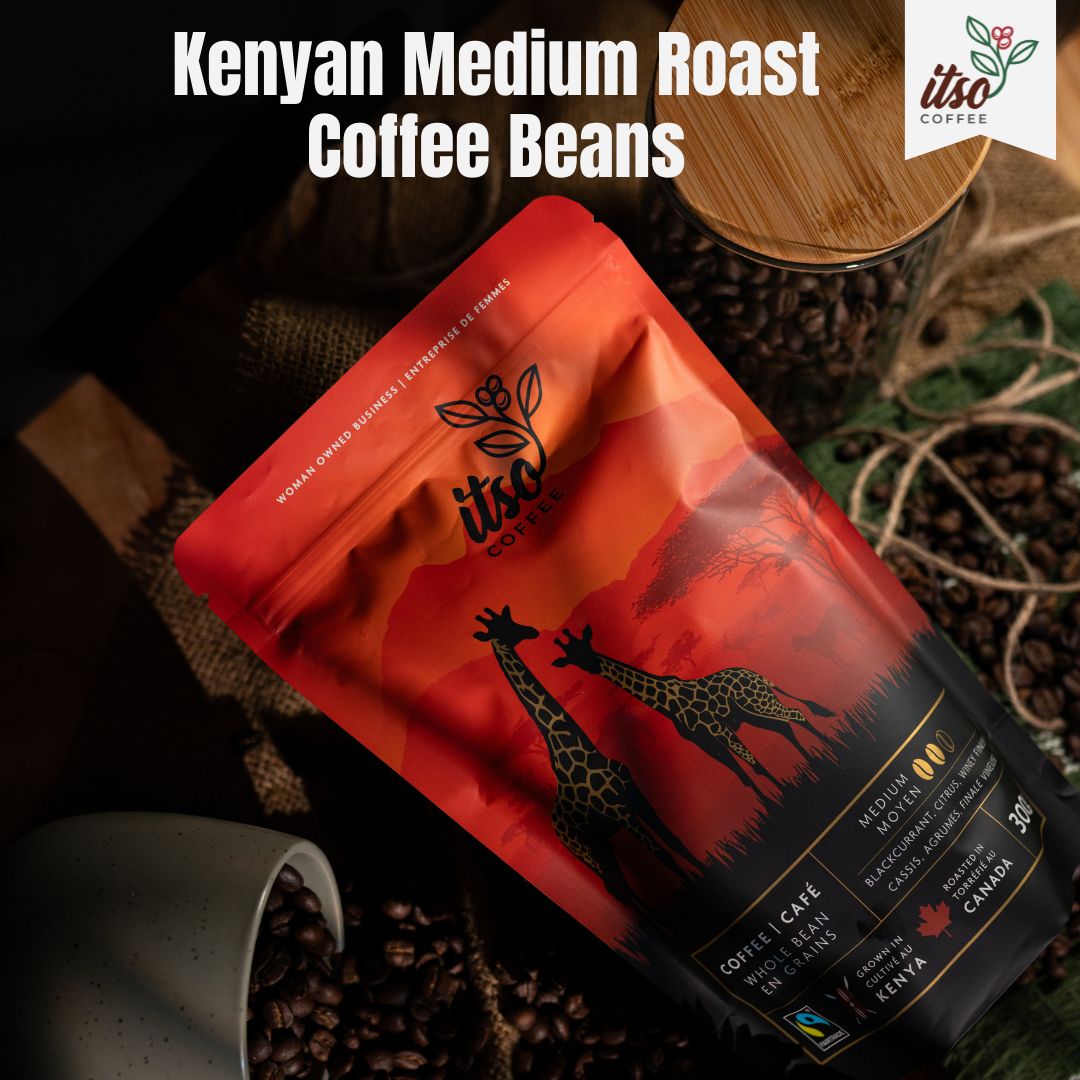
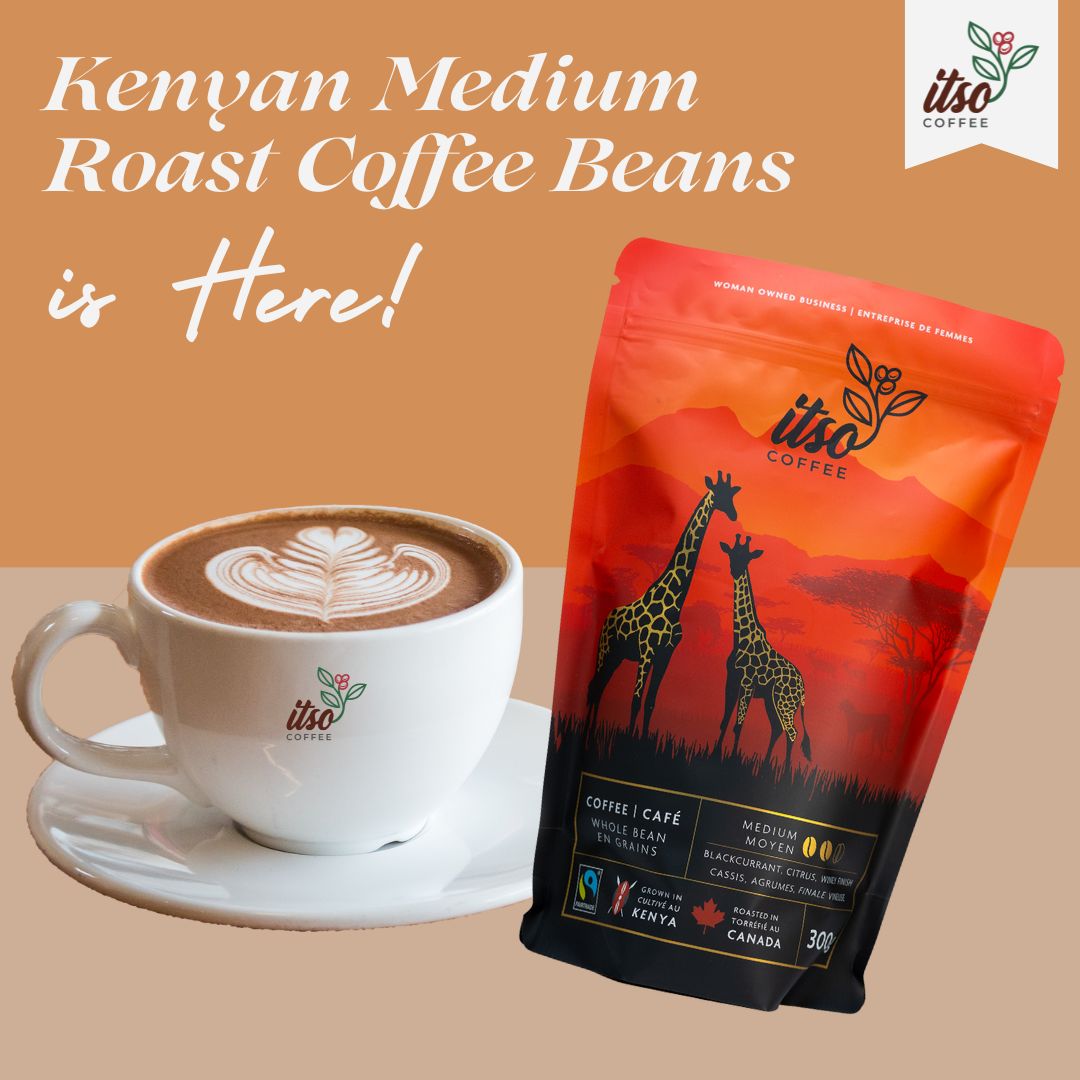
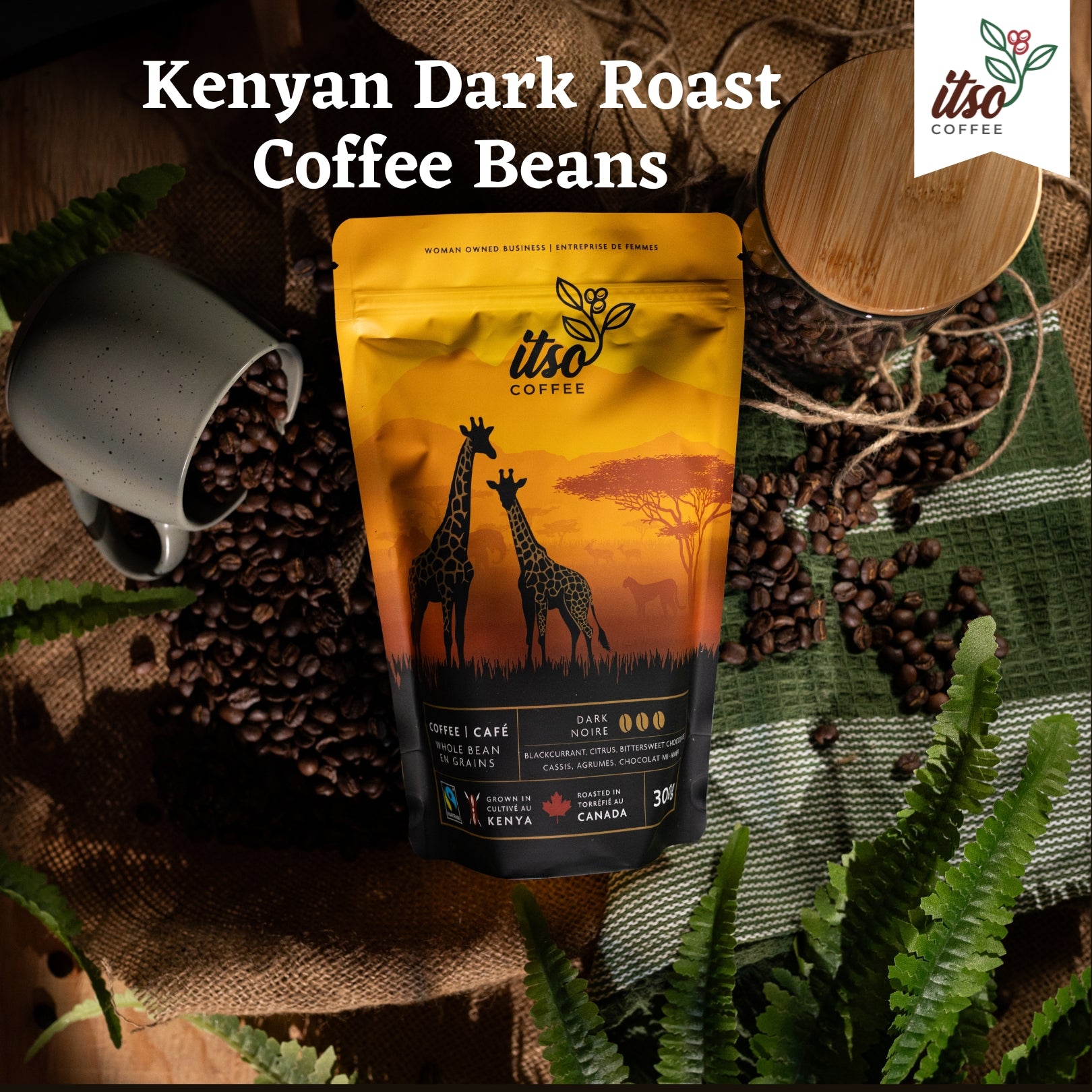
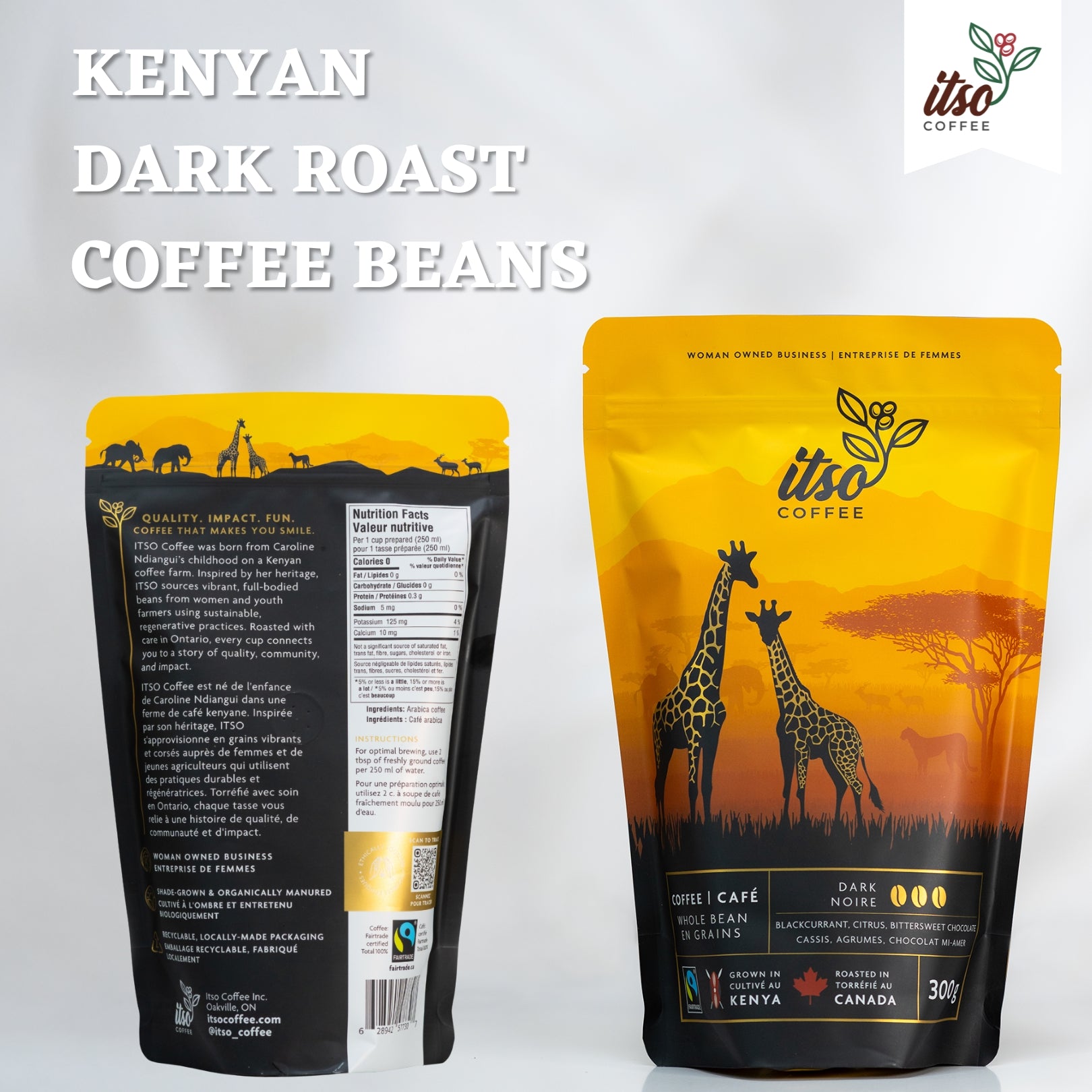
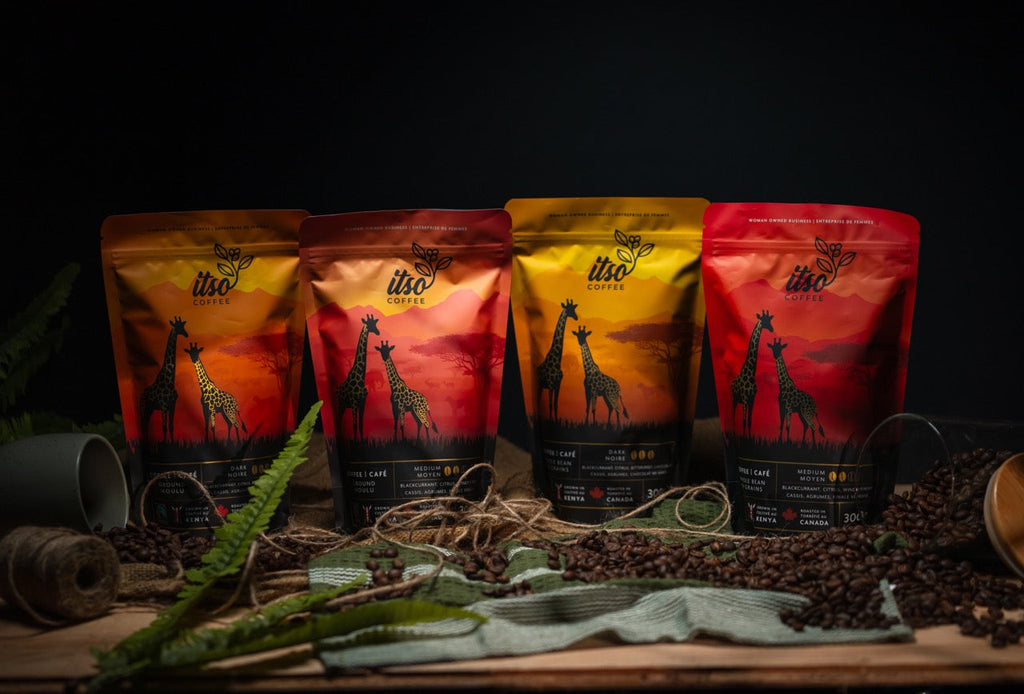
Brands like ITSO Coffee, founded by a Kenyan woman and sourcing directly from women producers, help close long-standing gaps in the industry
6. Fresh Roasting in North America Ensures Peak Quality
One of the biggest advantages of buying Kenyan coffee in Canada or the U.S. is freshness.
Top specialty roasters in North America — including ITSO Coffee — roast Kenyan coffee in small batches, ensuring:
- optimal flavour development
- clear roast profiles
- freshness upon arrival
This is a major advantage over mass-produced imported coffee that can sit for months before reaching shelves.
7. Choosing Kenyan Coffee Helps Build a More Transparent Coffee Industry
When you buy Kenyan coffee from ethical, women-owned, or direct-trade brands, you’re supporting:
- transparency across the supply chain
- traceability
- relationships between farmers and roasters
- accountability in pricing and trade terms
This fosters a healthier global ecosystem where quality and fairness matter.
Conclusion
Buying Kenyan coffee in North America is more than a flavour choice — it’s a statement. It’s choosing:
- quality over quantity
- sustainability over exploitation
- empowerment over inequality
- tradition over industrialization
Every cup becomes a vote for a better coffee future.
When you brew Kenyan coffee, you support farmers, communities, the environment, and the next generation of women leaders in coffee.

FAQ
1. Why is Kenyan coffee considered high quality?
Kenyan coffee is grown at high altitudes, harvested by hand, and processed through the washed method, resulting in bright acidity, fruity complexity, and a clean, crisp cup profile.
2. How does buying Kenyan coffee support sustainability?
Purchasing Kenyan coffee helps sustain smallholder farmers, promotes eco-friendly growing practices, supports shade-grown agriculture, and encourages Fairtrade compensation across the supply chain.
3. Does buying Kenyan coffee help women farmers?
Yes. In many regions of Kenya, women play a central role in coffee production. Supporting ethical and women-led brands ensures that women farmers receive recognition, fair wages, and leadership opportunities.
4. Is Kenyan coffee Fairtrade certified?
Many Kenyan cooperatives and exporters follow Fairtrade standards. When you buy Fairtrade Kenyan coffee in North America, you support fair wages, transparency, and community development.
5. Where can I buy Kenyan coffee online in North America?
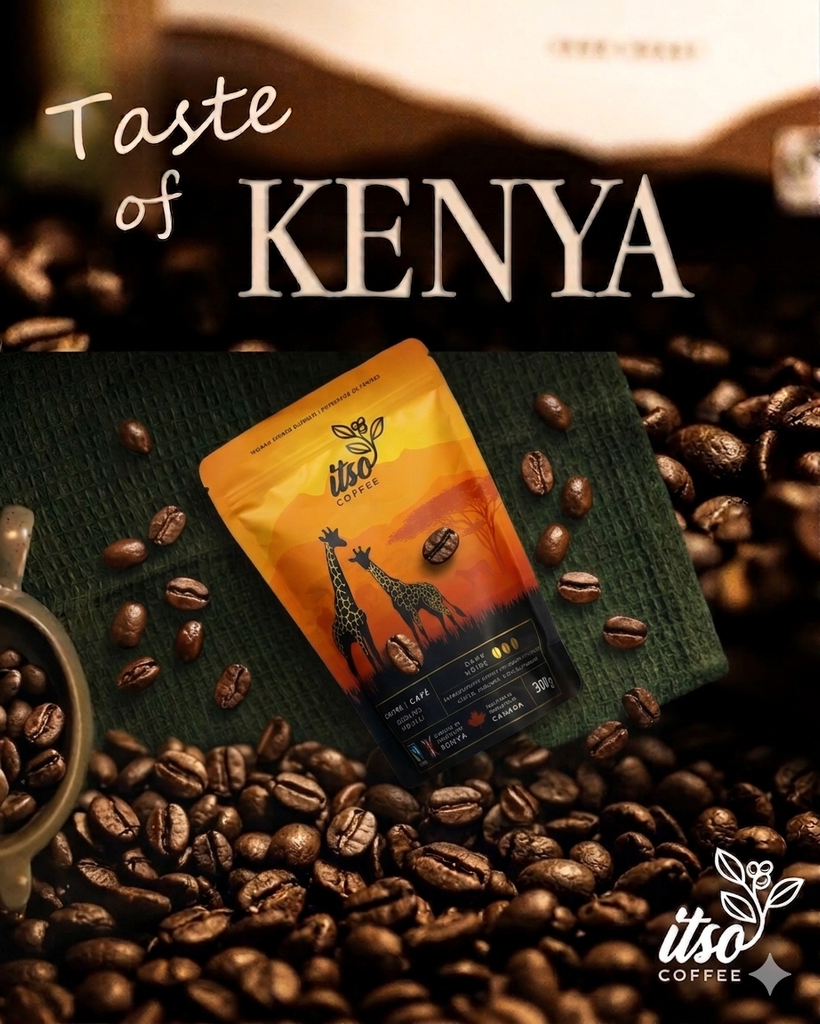
You can purchase freshly roasted Kenyan coffee directly from specialty roasters like ITSO Coffee, which offers women-grown, Fairtrade, single-origin beans delivered across Canada and the U.S.
For more information visit our Facebook Account.
Related post
RECENT POSTS
02.June.2026
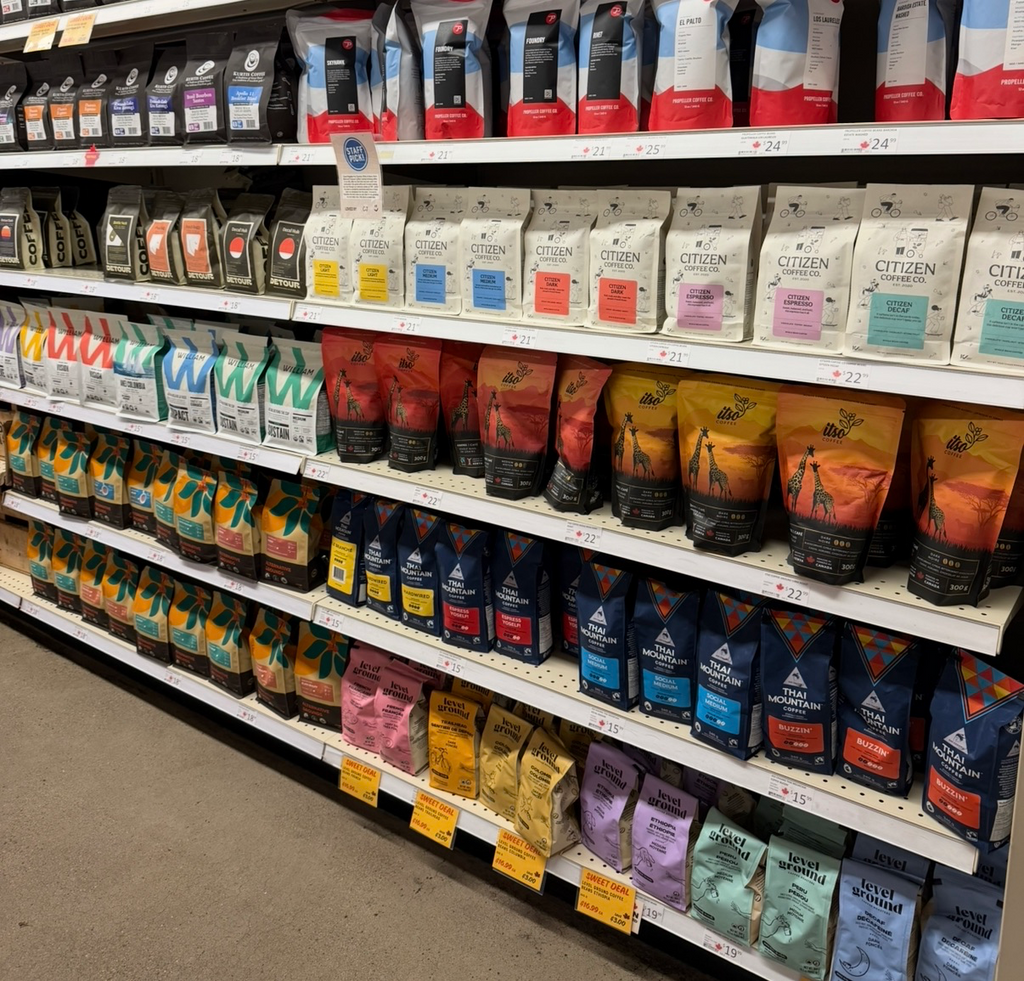
Where to Buy ITSO Coffee in Toronto: Now at Karma Co-op and The Sweet Potato
0 Comments

12.February.2026
How to Spot Authentic Kenyan Coffee When Shopping Online in North America
0 Comments
29.January.2026
Top Reasons to Choose a Women-Owned Coffee Brand Over Big Coffee Corporations
0 Comments