



From Farm to Cup: The Rich Heritage and Flavor of Authentic Kenyan Coffee
Kenya is famous worldwide for its coffee renowned for its brisk, bright flavors and rich perfume-like aroma with a wine like acidity. Each cup of Kenyan coffee has its own story — from the rich highlands where the beans are produced to careful processing that maintains their unique flavor. Coffee culture in Kenya is not just about drinking the beverage, but an experience that’s deeply rooted not only in a tradition, but also passion and legacy from one generation to another.
The Roots of Kenyan Coffee
Coffee from Kenya has a proud and long history. Kenya was introduced to coffee in the late 19th century and has since become one of the country’s most famous exports. The fertile volcanic soil, excellent temperature and regular rainfall in Kenya s highlands combine to provide a sustainable environment for coffee growing. They are what lend Kenyan coffee its characteristic brightness, full body and fruity undertones.
From Farm to Processing
The Kenyan coffee journey begins on the farm. Farmers hand pick only the ripest cherries to select the highest quality beans. After being picked, the cherries undergo a very stringent washing-and-drying process. Kenyan coffee is frequently wet-processed; the fruit surrounding the beans is separated before the beans are dried, so that moisture inside retains original flavors. That attention to detail is the reason Kenyan coffee is so pungent and aromatic.
The Flavor Profile
Coffee from Kenya has a distinct and complex flavour. You should taste zippy with citrus flavors, which are often complemented with berry or floral notes. The coffee is full bodied and has a clean finish, making it ideal for both espresso and drip brewing. It’s a taste that comes with each cup, one that has been birthed from the rich Kenyan soil and highland climate and in the hands of farmers who have painstakingly nurtured it.
The Cultural Significance
Coffee in Kenya is more than a crop; it is a culture. It helps thousands of smallholder farmers and has an important role in local communities. Festivals, markets and family gatherings usually include a serving of coffee, emphasizing its social significance as well as being an economic backbone. Drinking some Kenyan coffee is a direct way to experience this roasting culture and help sustainable farming practices.
Brewing the Perfect Cup
There’s a simple joy to brewing Kenyan coffee. Ground it fresh—if you’ve never enjoyed a cup of freshly ground beans, that’s when you’ll truly appreciate how they release their full aroma and flavor, whether you’re using a coffee grinder, French press, or espresso machine. The trick is to stop and think about the inherent brightness and clarity in coffee, allowing each sip to reveal what it’s hiding. For those who want to experience this at home, you can buy Kenyan coffee in North America and enjoy the journey from farm to cup, savoring every moment.
Conclusion
Real Kenyan coffee is a mixture of culture, artistry and nature in itself. The energetic flavors and scents of this coffee are a representation of the respect and legacy that accompanies each bean. When you select Kenyan coffee, you treat yourself to an exclusive drink while also indulging in a lifestyle that prizes quality, sustainability and passion.

FAQs
Q1: Why is Kenyan coffee unique?
A1: Kenyan coffee is known for its bright acidity, full body and fruit tastes that are still carrying pastry aromatic tones different from other coffees. Kenya Coffees tend to be great acidic, a bit fruity with a clean taste.
Q2: How is Kenyan coffee processed?
A2: The majority of Kenyan coffee is wet-processed, where the removal of the fruit surrounding the bean precedes drying. This approach protects the natural brightness and complexity of the coffee.
Q3: Can I make Kenyan coffee at home?
A3: Kenyan coffee can be made on a French press, pour-over or espresso machine. Beans that have been freshly ground have the best aroma and taste.
Q4: Is Kenyan coffee sustainable?
A4: A lot of Kenyan coffee farms are small scale, with coffee grown using sustainable and ecological friendly production benefiting local communities and ensuring high-end quality in the cup.
Q5: What flavors will I find in my coffee from Kenya?
A5: Kenyan coffee often tastes of bright citrus, complemented by berry or florals tones, full body and a smooth, clean finish.
For more information visit our Facebook Page.
Related post
RECENT POSTS
02.June.2026
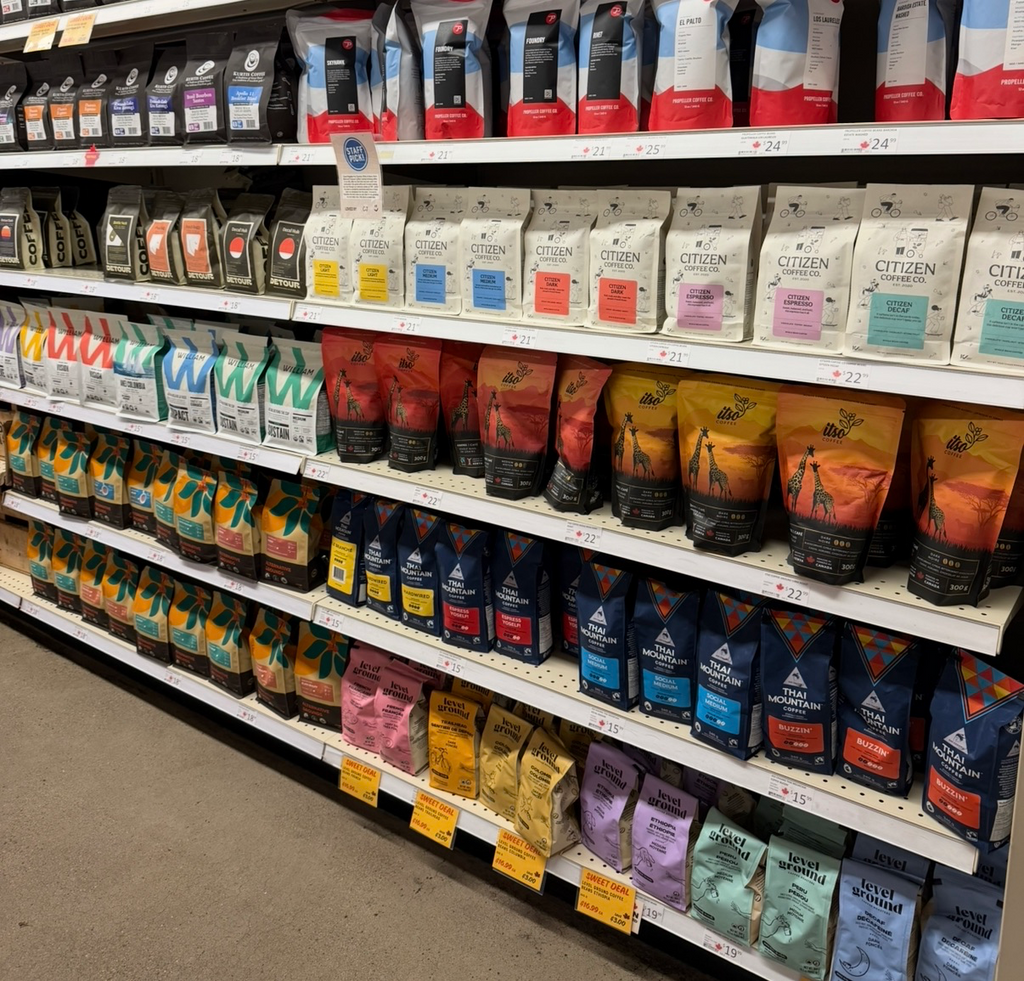
Where to Buy ITSO Coffee in Toronto: Now at Karma Co-op and The Sweet Potato
0 Comments





12.February.2026
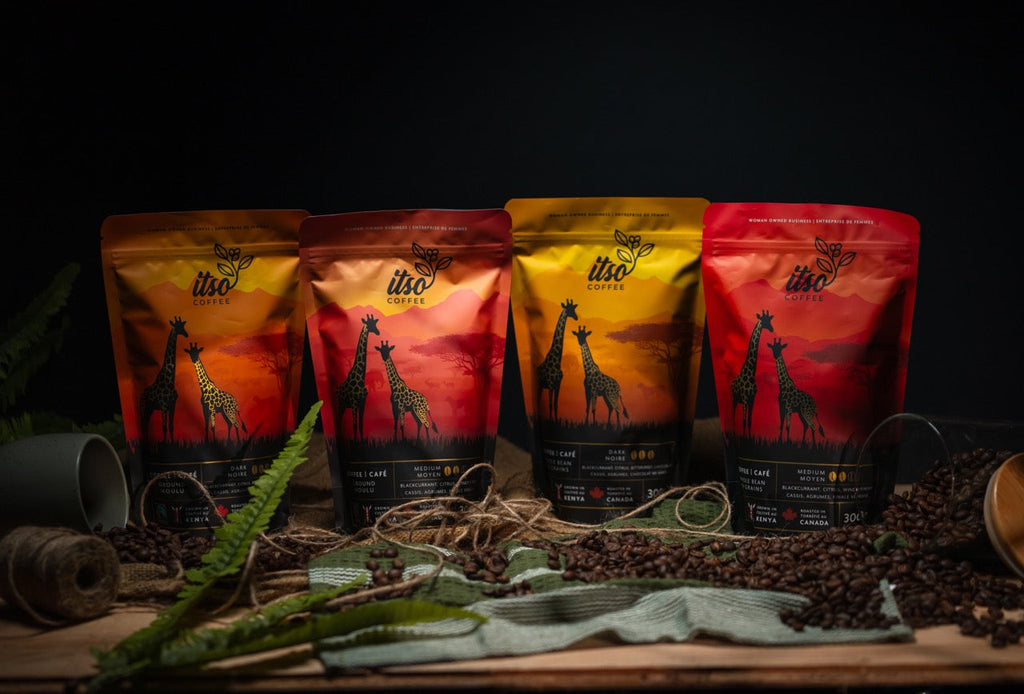
How to Spot Authentic Kenyan Coffee When Shopping Online in North America
0 Comments


29.January.2026
Top Reasons to Choose a Women-Owned Coffee Brand Over Big Coffee Corporations
0 Comments