
Kenyan Coffee vs Ethiopian Coffee: What’s the Difference?
Introduction
When it comes to African coffee, two origins stand above the rest: Kenya and Ethiopia.
Both are known for exceptional quality, rich history, and complex flavour profiles — but they offer very different experiences in the cup.
If you’ve ever wondered:
- Which coffee is better?
- What makes them taste so different?
- Which one should you buy?
This guide breaks down the key differences between Kenyan coffee and Ethiopian coffee — helping you choose the right coffee for your taste and brewing style.
Origins: Two Coffee Powerhouses
🇪🇹 Ethiopia — The Birthplace of Coffee
Ethiopia is where coffee was first discovered.
- Home to wild coffee forests
- Thousands of native varietals
- Deep cultural traditions
Coffee in Ethiopia is not just a product — it’s part of daily life and ceremony.
🇰🇪 Kenya — Precision and Quality
Kenya’s coffee industry developed later but is known for:
- strict grading systems
- cooperative farming structures
- quality-focused processing
Kenya built its reputation on consistency and excellence.
Flavor Profile: The Biggest Difference
☕ Kenyan Coffee
Kenyan coffee is known for:
- Bright, sharp acidity
- Blackcurrant and berry notes
- Citrus (grapefruit, lemon)
- Clean, structured finish
👉 Think: bold, vibrant, fruit-forward

☕ Ethiopian Coffee
Ethiopian coffee typically offers:
- Floral notes (jasmine, bergamot)
- Tea-like body
- Complex, layered aroma
- Sometimes winey or earthy tones
👉 Think: delicate, aromatic, complex
Processing Methods
Kenya:
- Washed processing (most common)
- Produces clean, crisp flavors
Ethiopia:
- Washed → clean and floral
-
Natural → fruity, wild, complex
Which Coffee Should You Choose?
Choose Kenyan coffee if you prefer:
- bold flavour
- bright acidity
- clean, structured cups
Choose Ethiopian coffee if you prefer:
- floral aromas
- softer body
- more experimental profiles
Why Kenyan Coffee Is Growing in Canada
More Canadian consumers are choosing Kenyan coffee because:
- consistent quality
- strong, memorable flavor
- aligns with specialty coffee trends
- supports ethical sourcing
If you’re looking to explore high-quality options, you can
👉 buy Kenyan coffee in Canada
The Role of Ethical Sourcing
Both Kenya and Ethiopia produce incredible coffee — but Kenya’s structured system often provides:
- better traceability
- cooperative support
- more transparent pricing
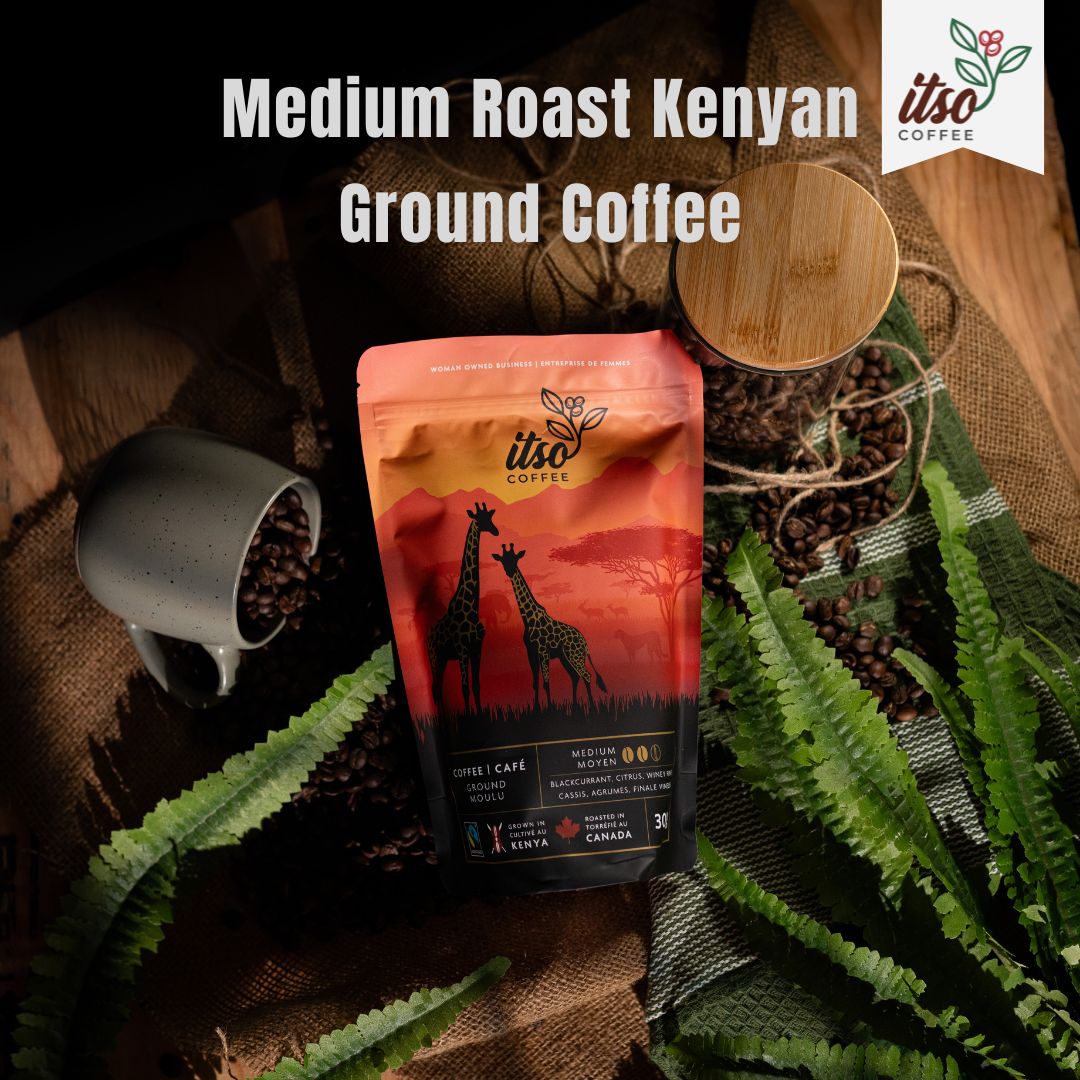
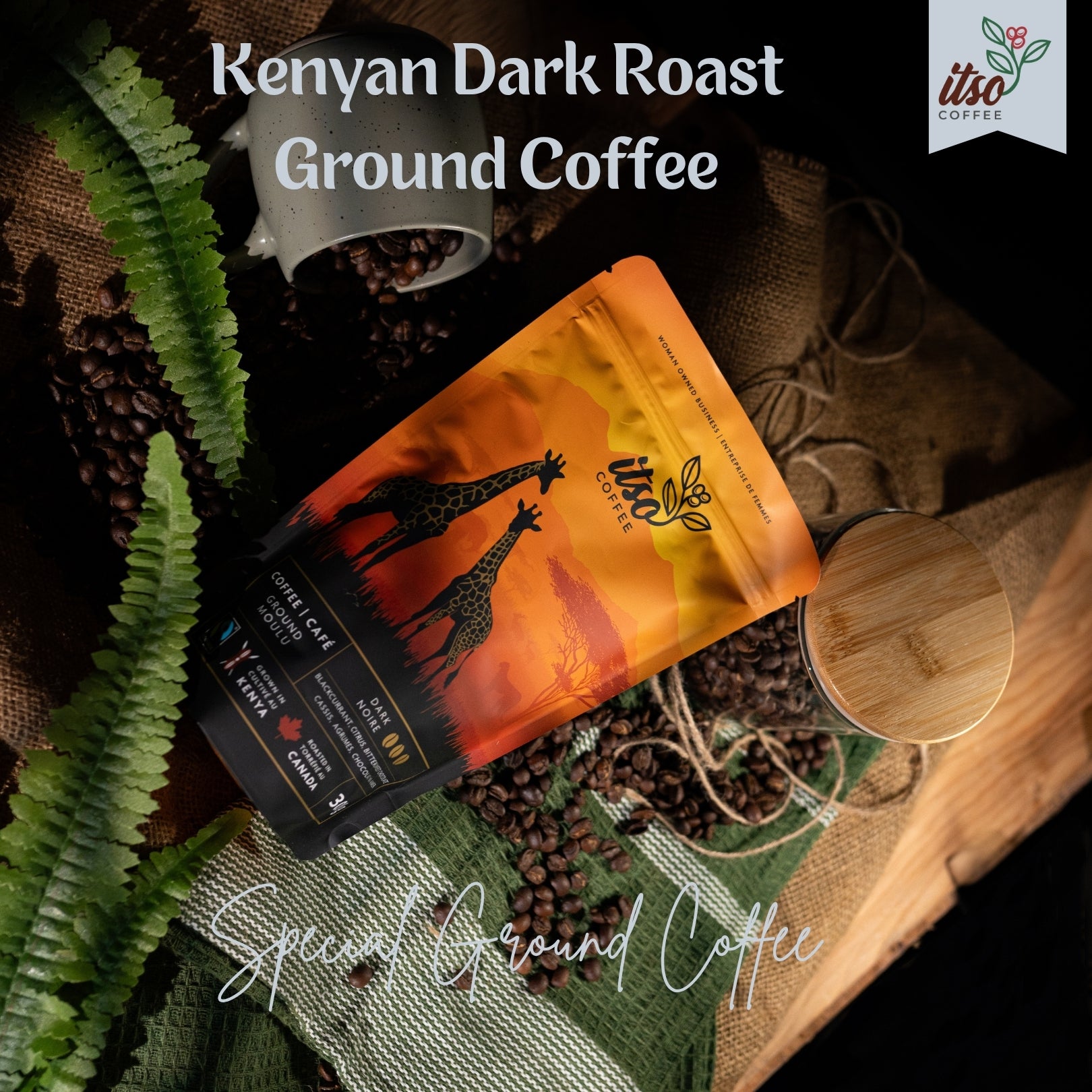
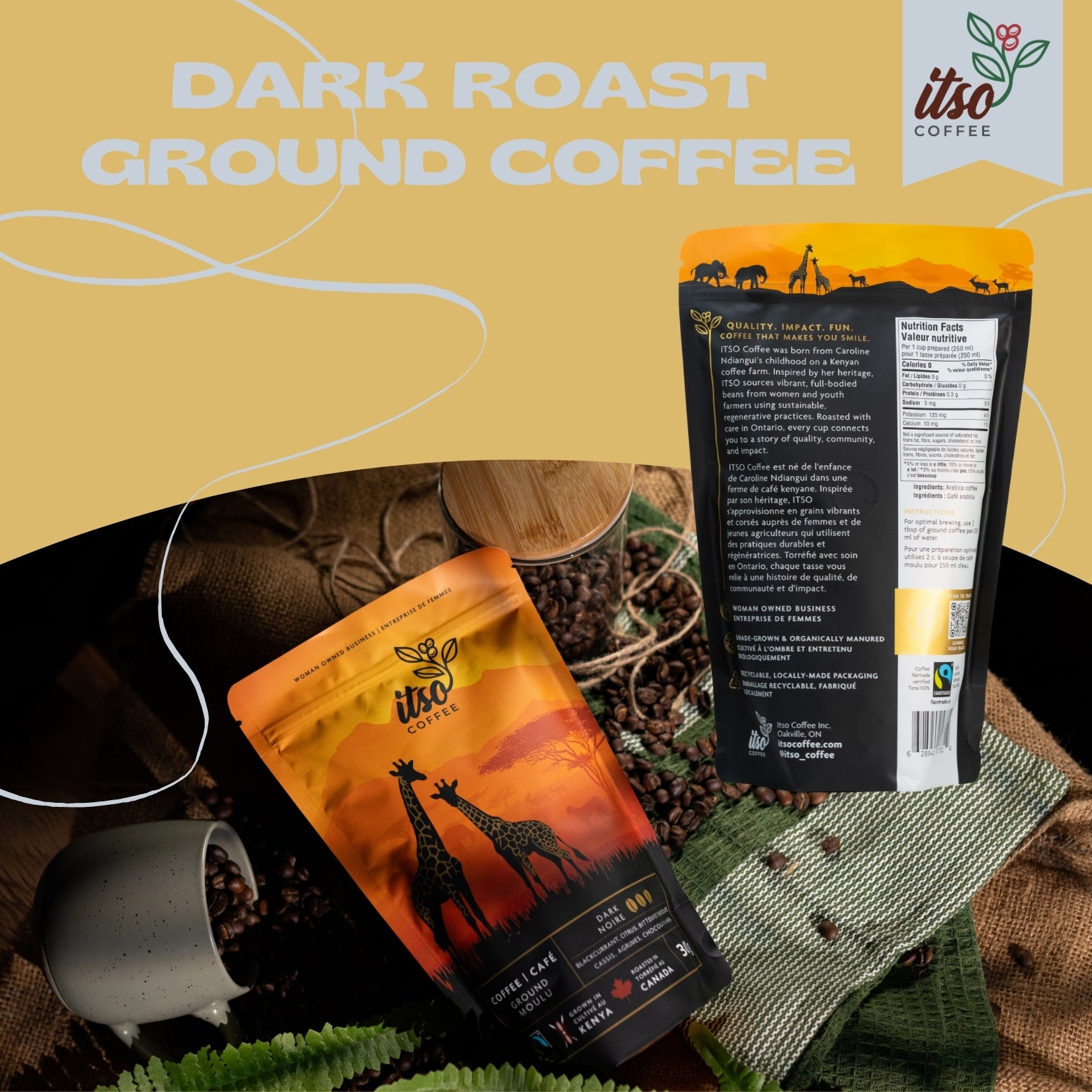
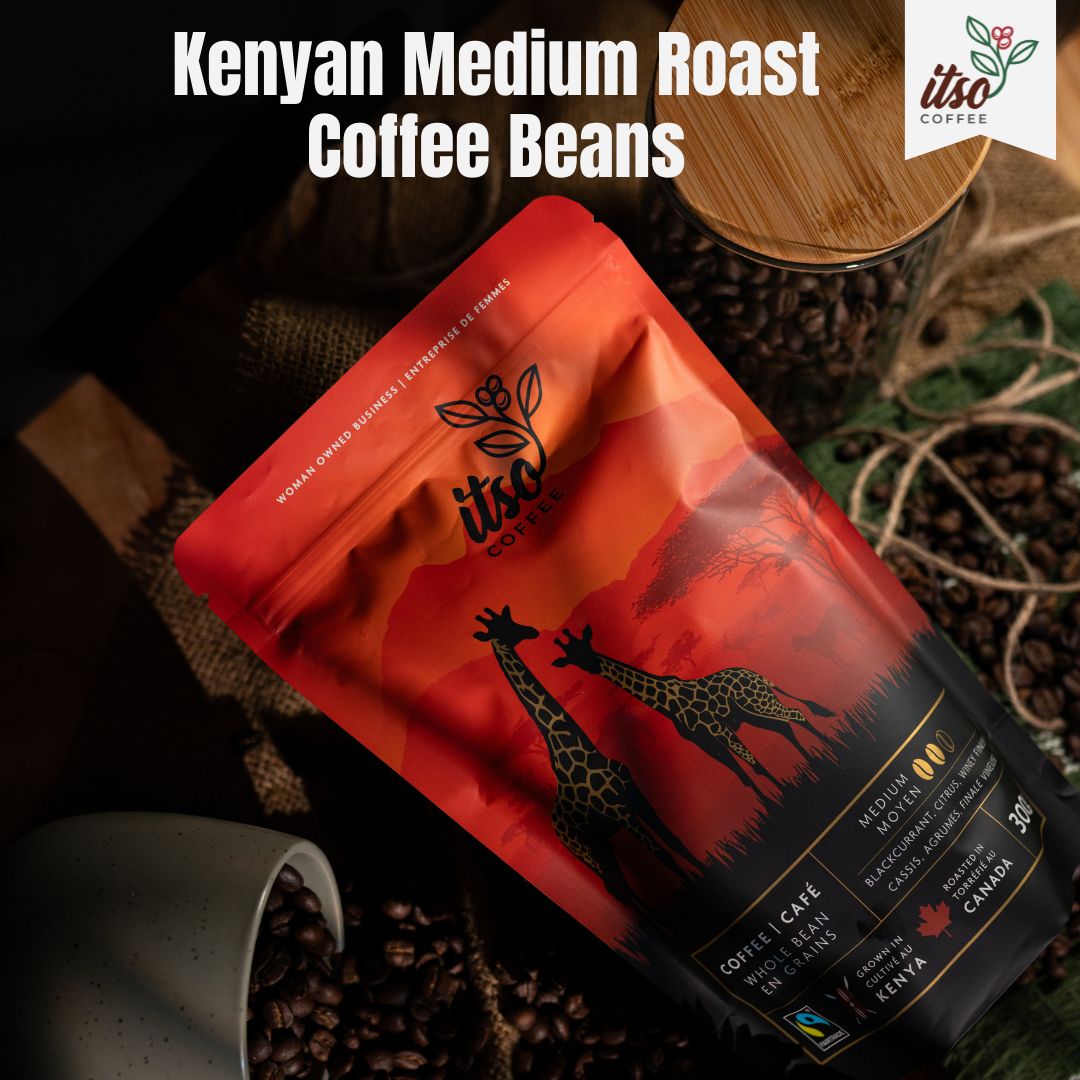
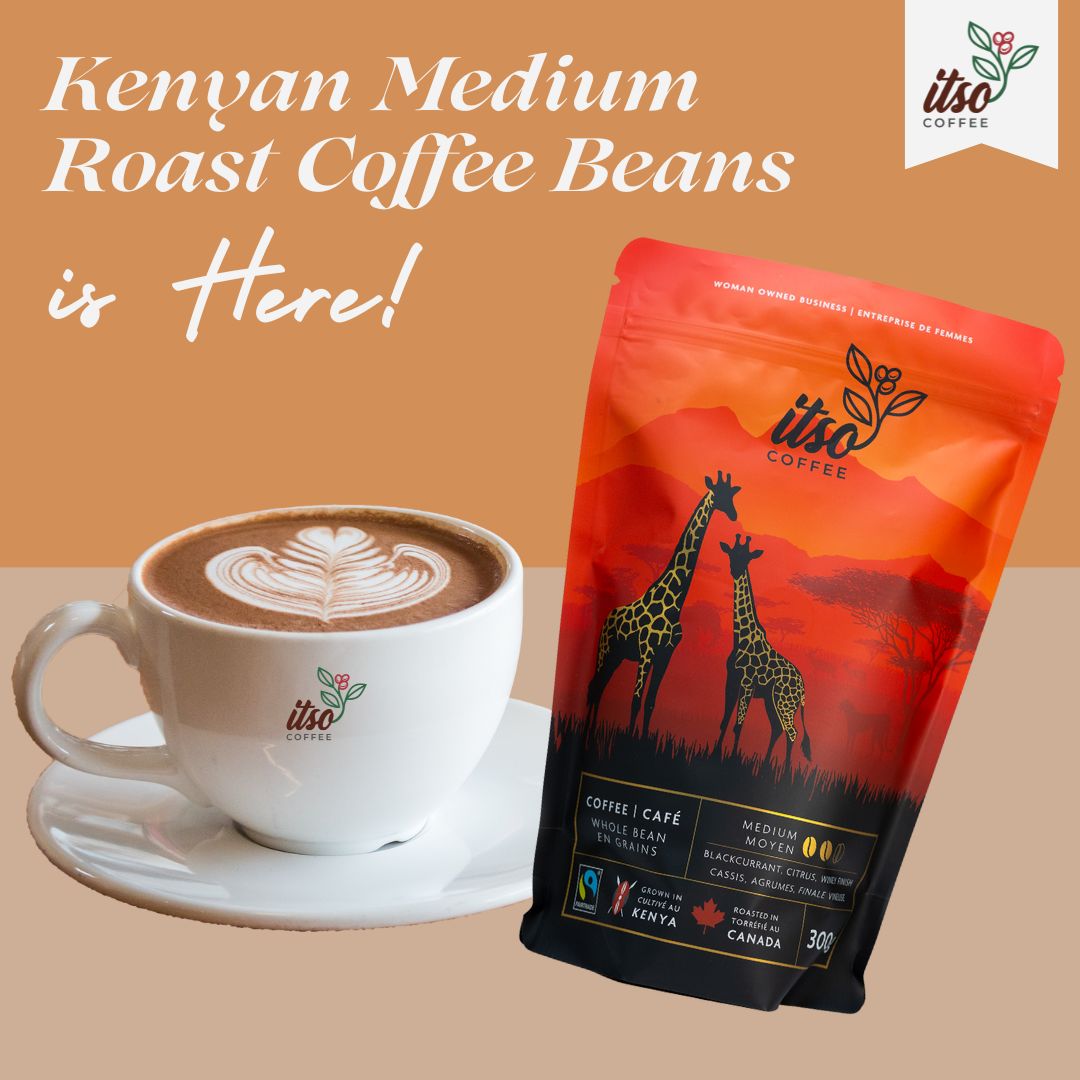
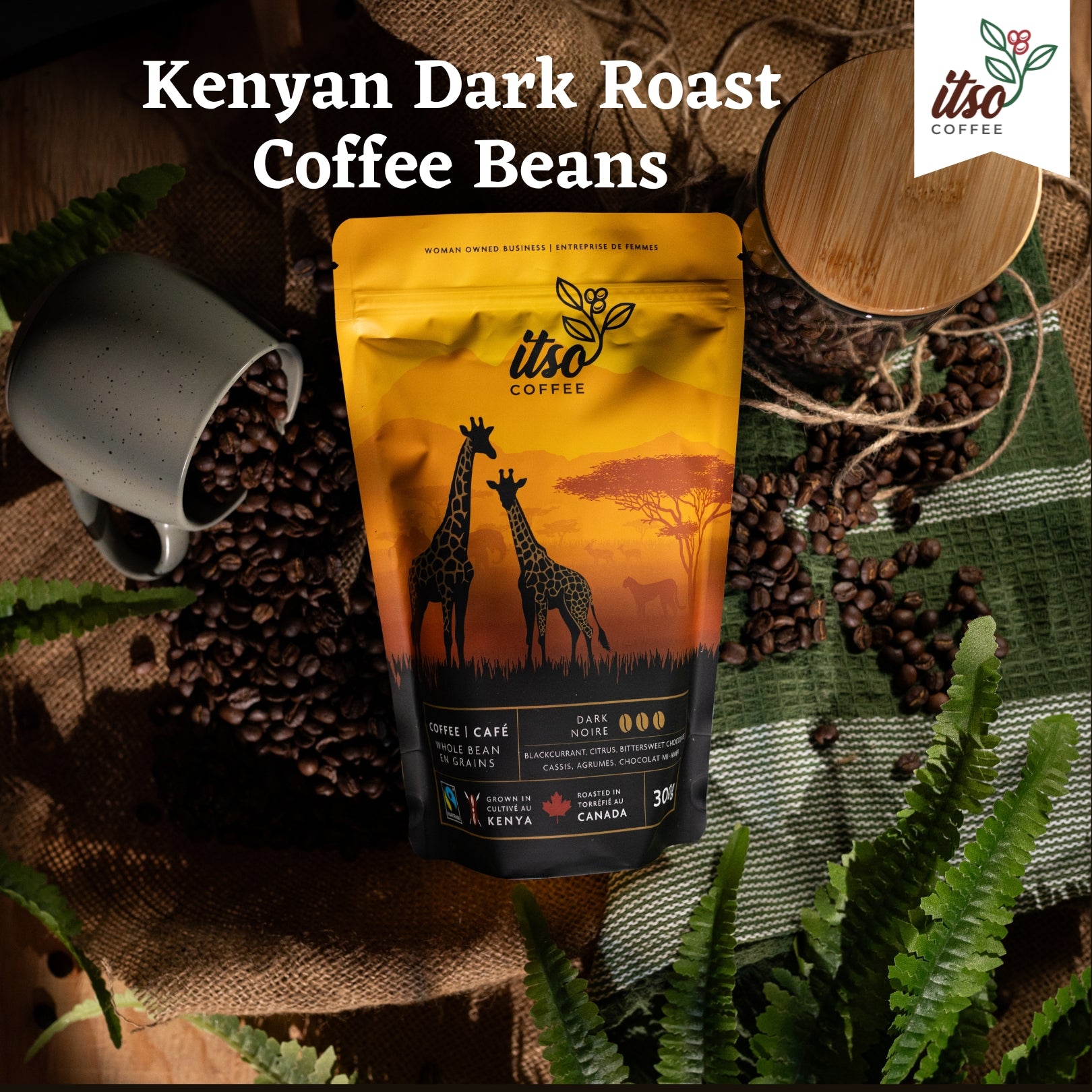
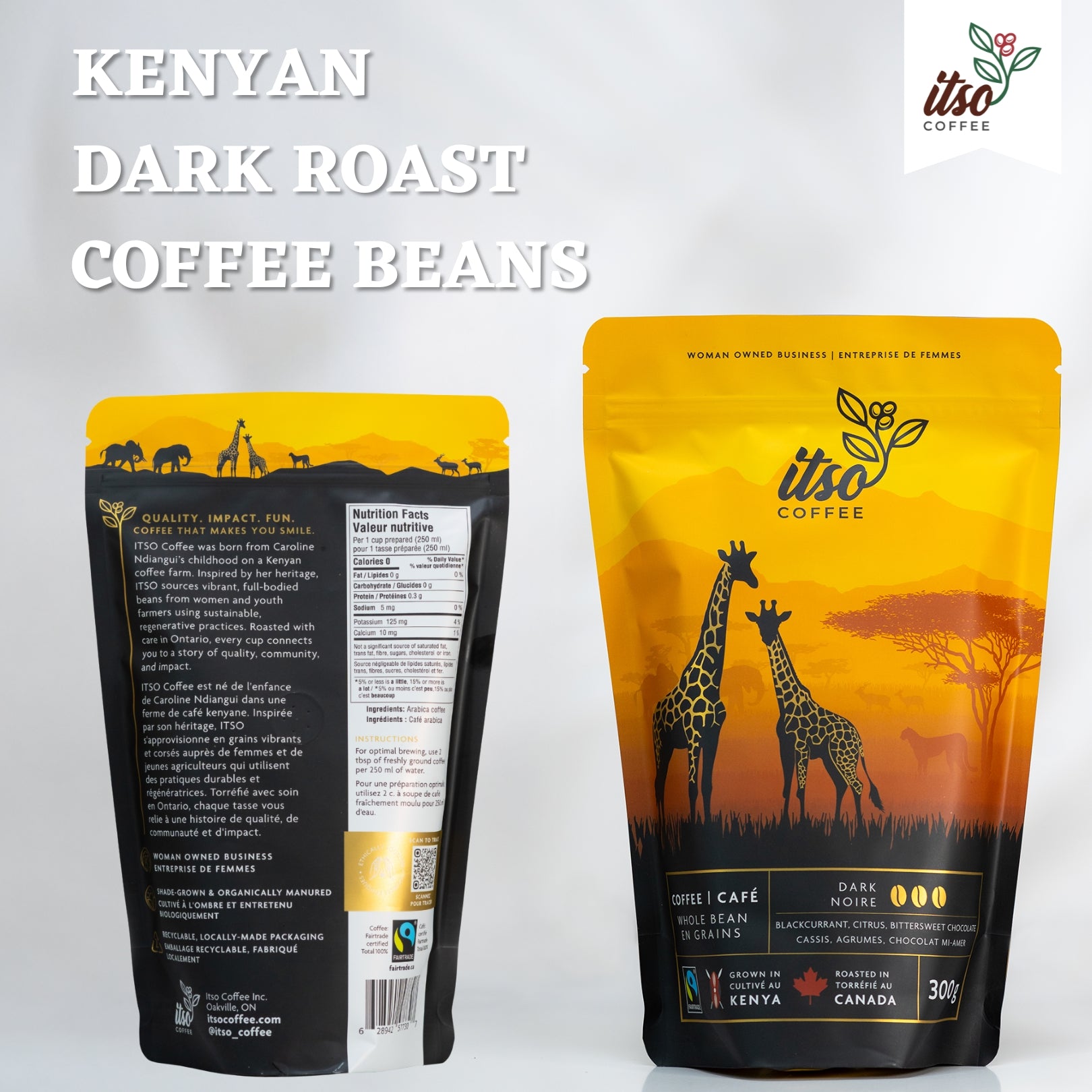
Brands like ITSO Coffee focus on connecting Kenyan farmers to North American consumers through ethical sourcing and high-quality roasting.
👉 Learn more about what makes Kenyan coffee special

Brewing Differences
Kenyan coffee works best with:
- pour-over (V60, Chemex)
- espresso (for bright shots)
Ethiopian coffee works best with:
- pour-over
- slow brewing methods
Conclusion
Kenyan and Ethiopian coffees are two of the most exciting origins in the world — but they offer completely different experiences.
- Kenya delivers clarity, brightness, and structure
- Ethiopia offers aroma, complexity, and delicacy
If you enjoy bold, fruit-forward coffee, Kenyan coffee is an excellent place to start.
FAQs
Is Kenyan coffee stronger than Ethiopian coffee?
Not in caffeine — but Kenyan coffee has a more intense flavor.
Which coffee is more acidic?
Kenyan coffee typically has sharper, more pronounced acidity.
Which is better for beginners?
Kenyan coffee is often easier to enjoy due to its clarity and boldness.
About the Author
Caroline Ndiangui is the founder of ITSO Coffee. Born and raised on a Kenyan coffee farm, she founded ITSO to bridge Kenyan farmers and Canadian consumers through Fairtrade, transparency, and women-led sourcing. ITSO Coffee is a proud member of the Kipkelion Women in Coffee Cooperative, sourcing directly from women farmers in the Kenyan highlands and roasting locally in Ontario, Canada.
Related post
RECENT POSTS
02.June.2026
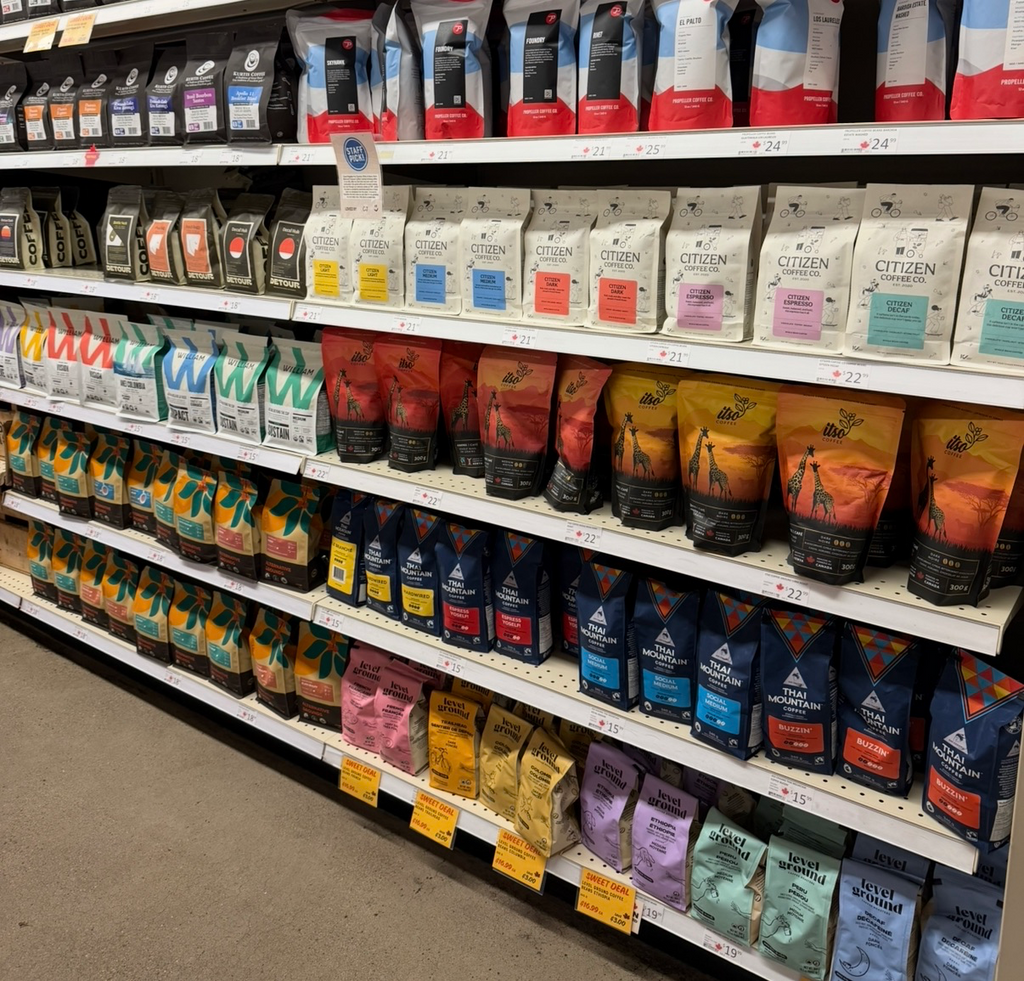
Where to Buy ITSO Coffee in Toronto: Now at Karma Co-op and The Sweet Potato
0 Comments

12.February.2026
How to Spot Authentic Kenyan Coffee When Shopping Online in North America
0 Comments

29.January.2026
Top Reasons to Choose a Women-Owned Coffee Brand Over Big Coffee Corporations
0 Comments