Why Color Sorting Matters: The Quality Step Most Coffee Brands Skip
Most coffee drinkers have never heard of color sorting. And if you've ever wondered why two coffees made from the same origin can taste so different — this is part of the answer.
Color sorting is one of the quietest, most overlooked steps in coffee processing. It's also one of the biggest dividers between specialty coffee and commodity coffee. And it's something we take very seriously at ITSO.
Let me walk you through it.
What Color Sorting Actually Is
After Kenyan coffee cherries are harvested, depulped, fermented, washed, and dried, you're left with green coffee beans that look — to the untrained eye — fairly uniform.
They aren't.
Even after careful processing, every batch contains beans that didn't make it through unscathed. Some are blemished. Some are broken. Some are partially damaged by the sun. Some are the wrong color entirely — too dark, too light, too off. These are called "defective beans," and every coffee origin produces them.
A color sorter is a machine that scans every single bean as it passes through, comparing color, shape, and density against a clean baseline. The defective ones get blown out by tiny jets of air, leaving only the cleanest beans on the line.
It sounds simple. It is — and it isn't.
Why One Bad Bean Matters
Here's something that surprised me when I first started ITSO: most of what people blame on a bad roast is actually a sorting problem.
A single defective bean can throw off an entire batch. When a moldy, fermented, or insect-damaged bean gets roasted alongside the good ones, it releases off-flavors — sour, musty, papery, sometimes outright bitter — that travel through the whole cup. One bad bean in a thousand can be the difference between a coffee that tastes alive and one that tastes like nothing.
This is why specialty coffee brands obsess over sorting. It's not about being precious — it's about protecting the work of the farmers, the roasters, and ultimately you, the person drinking it. If you've ever wondered what makes one Kenyan coffee actually taste different from another, sorting is a big part of the story. Our Kenyan coffee vs Ethiopian coffee comparison gets into more of those flavor mechanics.
What It Costs to Get Right
Color sorting takes time. It takes equipment. And — here's the harder part — it takes a willingness to lose yield in the name of quality.
When we run our Kenyan beans through the color sorter, a portion of every batch gets pulled out. Sometimes a small portion. Sometimes a larger one. Those rejected beans don't disappear from our cost structure — we paid for them, they just aren't going in your bag.
Most commodity coffee brands skip this step entirely or run it minimally. The math works for them: more beans through the line means more bags on the shelf. The math works differently for us. We'd rather sell a smaller, cleaner product than a larger, compromised one.
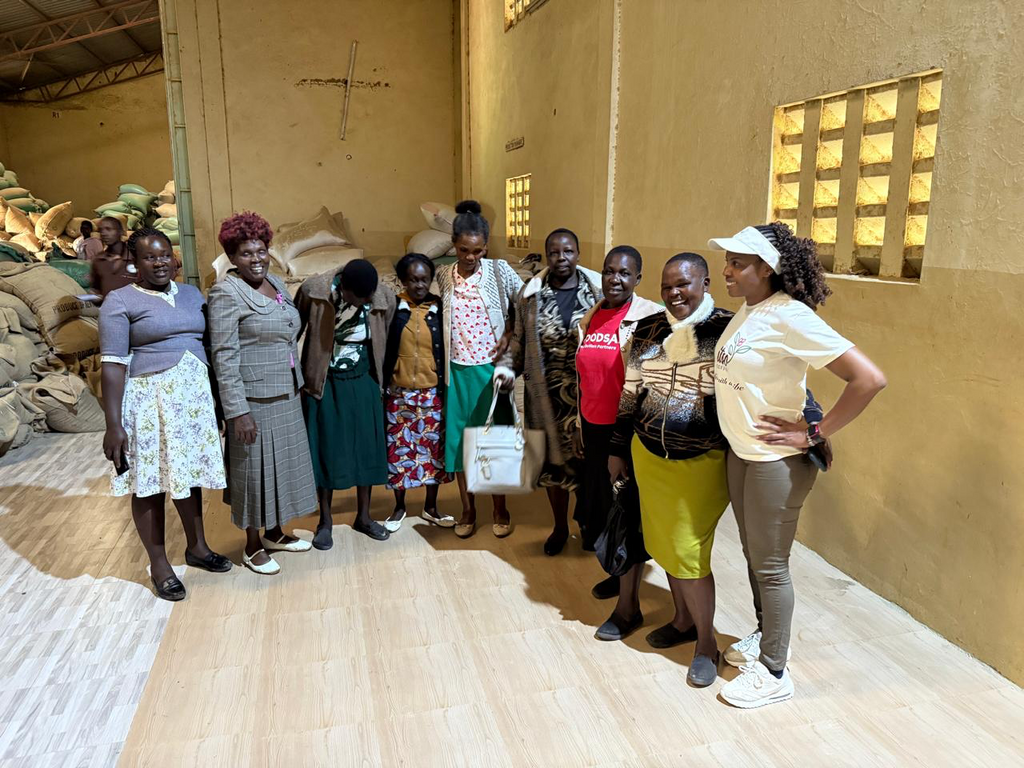
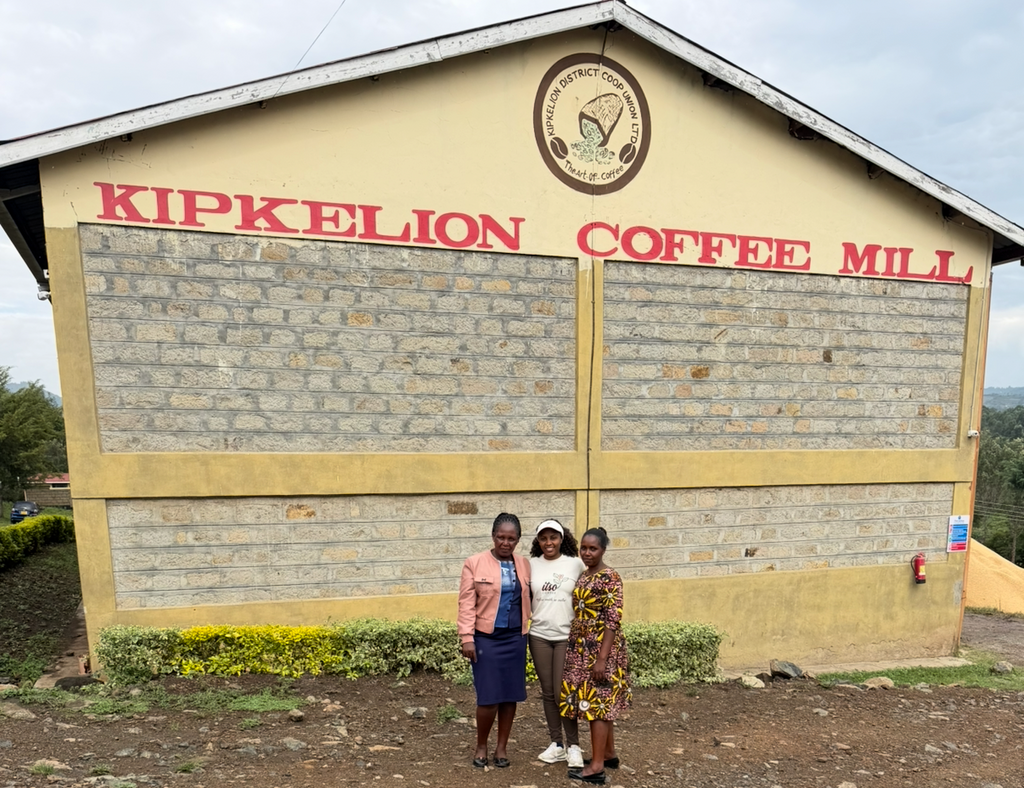
That's a quality decision, but it's also a values decision. The farmers we work with through the Kipkelion Women in Coffee Cooperative put years of work into every harvest. Cutting corners on the back end of that work isn't something we're willing to do. It's part of what it means to be a women-owned coffee brand — caring about the supply chain isn't a marketing line, it's the whole job.
What It Looks Like at ITSO
A typical sorting day at our warehouse goes like this: beans arrive from origin, get inspected, and go through the color sorter — sometimes twice if the batch warrants it. The sorter we use is calibrated to our specific quality standards, not the industry minimum.
I'll be honest — sometimes I have to go back and forth with our warehouse team to make sure we're sorting strictly enough. It's tempting to push more beans through. It's even more tempting when you've watched the same batch get pickier and pickier on each pass. But the standard isn't optional. Either every bean meets it, or we keep going.
After sorting, the beans head to our Ontario roastery. By the time they reach the roaster, every bean in the batch has earned its place there. That's the only way the roast can do its job — bring out what's already in the bean, not work around what shouldn't be there. If you're new to single-origin coffee and want a deeper guide, our take on the best Kenyan coffee in Canada is a good place to start.
What We Leave Behind Is What Makes the Cup
This is a phrase I keep coming back to.
Most coffee marketing is about what's in the bag — the origin, the roast, the tasting notes. But the truth is, what makes a great cup of coffee is just as much about what isn't in the bag. The beans we leave behind matter as much as the ones we keep.
Color sorting isn't glamorous. It's not the part of the process that ends up on Instagram. But it's one of the reasons a cup of ITSO Coffee tastes the way it does — and it's why we stand behind every bag we sell.
If you've never thought about coffee at this level before, welcome. There's so much more. Shop our Kenyan coffee and taste the difference for yourself.
About the Author
Caroline Ndiangui is the founder of ITSO Coffee. Born and raised on a Kenyan coffee farm, she founded ITSO to bridge Kenyan farmers and Canadian consumers through Fairtrade, transparency, and women-led sourcing. ITSO Coffee is a proud member of the Kipkelion Women in Coffee Cooperative, sourcing directly from women farmers in the Kenyan highlands and roasting locally in Ontario, Canada.
Related post
RECENT POSTS
02.June.2026
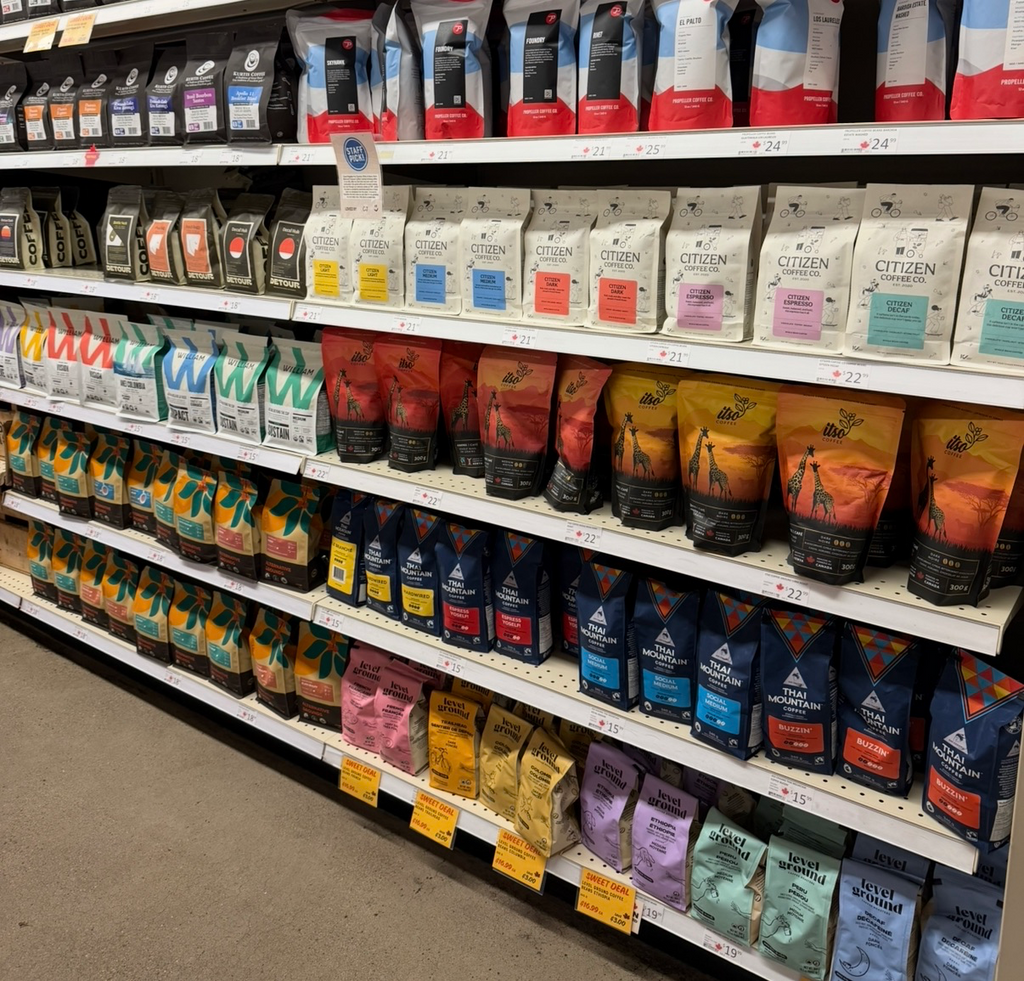
Where to Buy ITSO Coffee in Toronto: Now at Karma Co-op and The Sweet Potato
0 Comments

12.February.2026
How to Spot Authentic Kenyan Coffee When Shopping Online in North America
0 Comments
29.January.2026
Top Reasons to Choose a Women-Owned Coffee Brand Over Big Coffee Corporations
0 Comments